The Art of Sake: A Modern Guide to Japan’s Iconic Brew
Sake is often misunderstood. Frequently labeled as “rice wine,” it is neither wine nor spirit — but something entirely its own. Brewed with precision, patience, and centuries of tradition, sake is one of the world’s most nuanced and food-friendly beverages.
Whether you're new to sake or looking to refine your understanding, this guide explores the essential building blocks: its ingredients, brewing process, key classifications, and styles worth discovering. By the end, you’ll not only understand sake — you’ll know exactly where to begin tasting.
The Essential Ingredients of Sake
At its core, sake is made from just four ingredients. Yet subtle variations in each dramatically influence aroma, texture, and flavor.
1. Rice
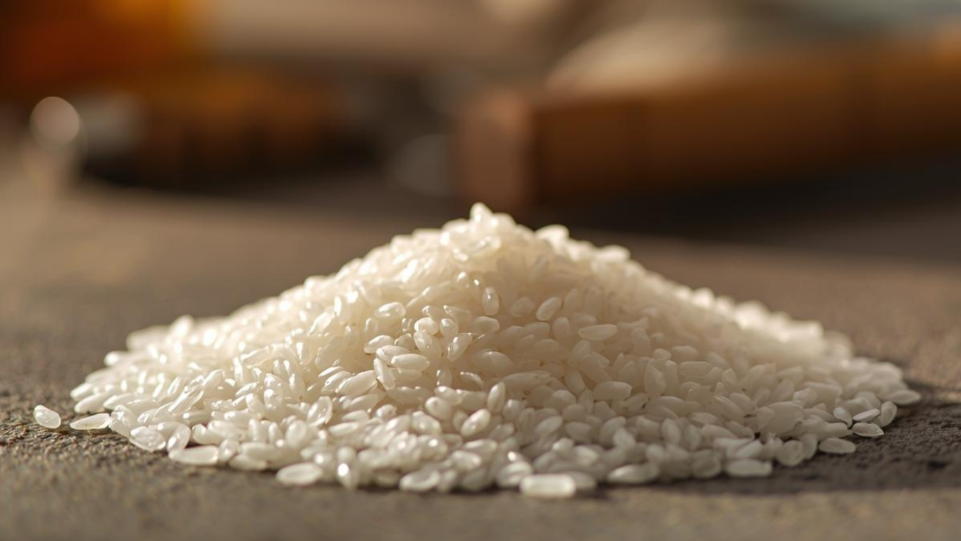
Not all rice is created equal. Premium sake uses specialized sakamai (sake rice) varieties such as Yamada Nishiki or Gohyakumangoku. These strains have larger grains and a starchy core ideal for fermentation.
A critical concept is rice polishing ratio (seimaibuai) — the percentage of the grain that remains after milling away the outer layers. The more polished the rice, the more refined and aromatic the sake tends to be.
2. Water
Sake is roughly 80% water. Mineral content plays a significant role:
Soft water often produces softer, smoother sake.
Hard water can yield drier, more structured styles.
Famous brewing regions like Nada and Fushimi are known for their distinct water profiles.
3. Koji Mold
Koji (Aspergillus oryzae) is the heart of sake brewing. It converts rice starch into fermentable sugars — a crucial step that allows yeast to produce alcohol. Without koji, sake simply wouldn’t exist.
4. Yeast
Yeast transforms sugar into alcohol and contributes aromatics ranging from melon and pear to banana and floral notes. Different yeast strains create dramatically different aromatic profiles.
How Sake Is Brewed: From Rice to Glass
Sake brewing is unique because saccharification (starch-to-sugar conversion) and fermentation happen simultaneously — called multiple parallel fermentation.
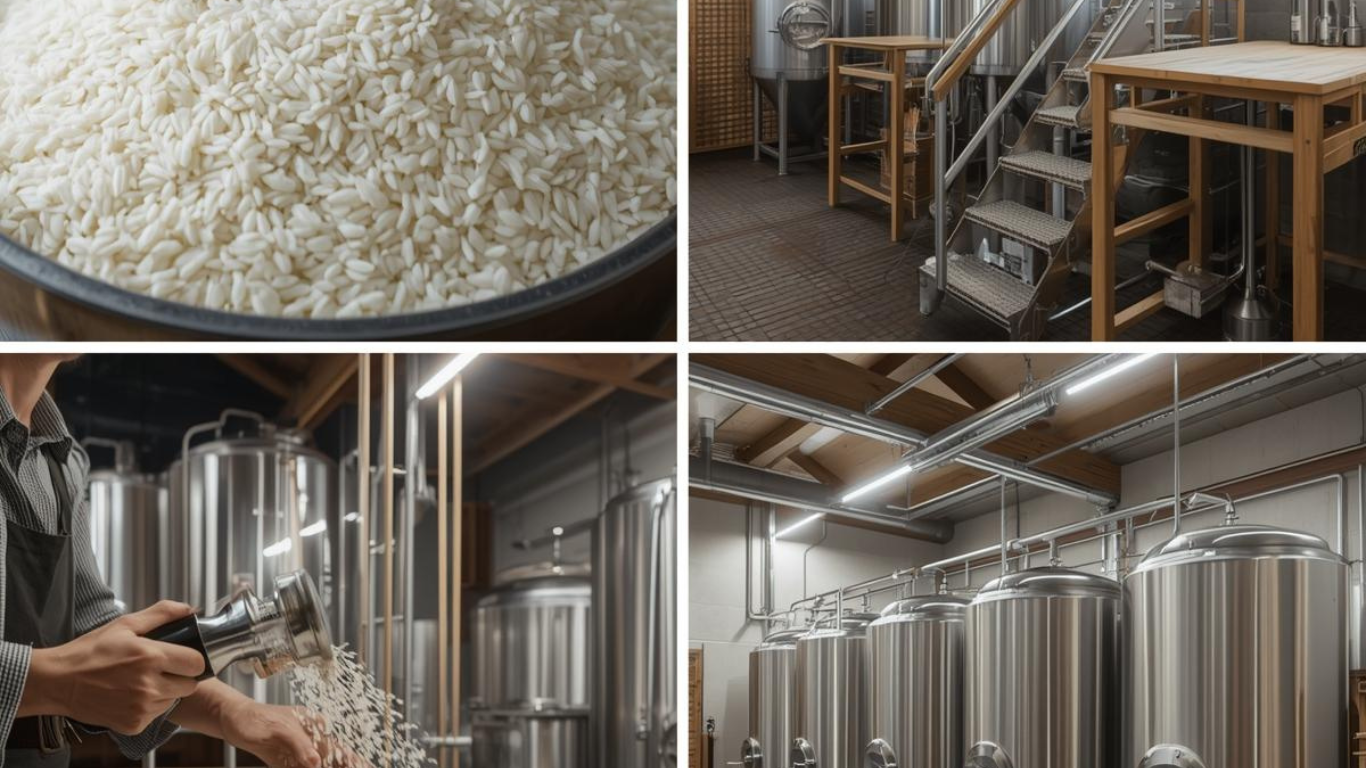
Step 1: Polishing: Rice is milled to remove fats and proteins from the outer layers.
Step 2: Washing & Steaming: Rice is washed, soaked, and steamed to precise moisture levels.
Step 3: Koji Making: A portion of the rice is inoculated with koji mold to begin sugar conversion.
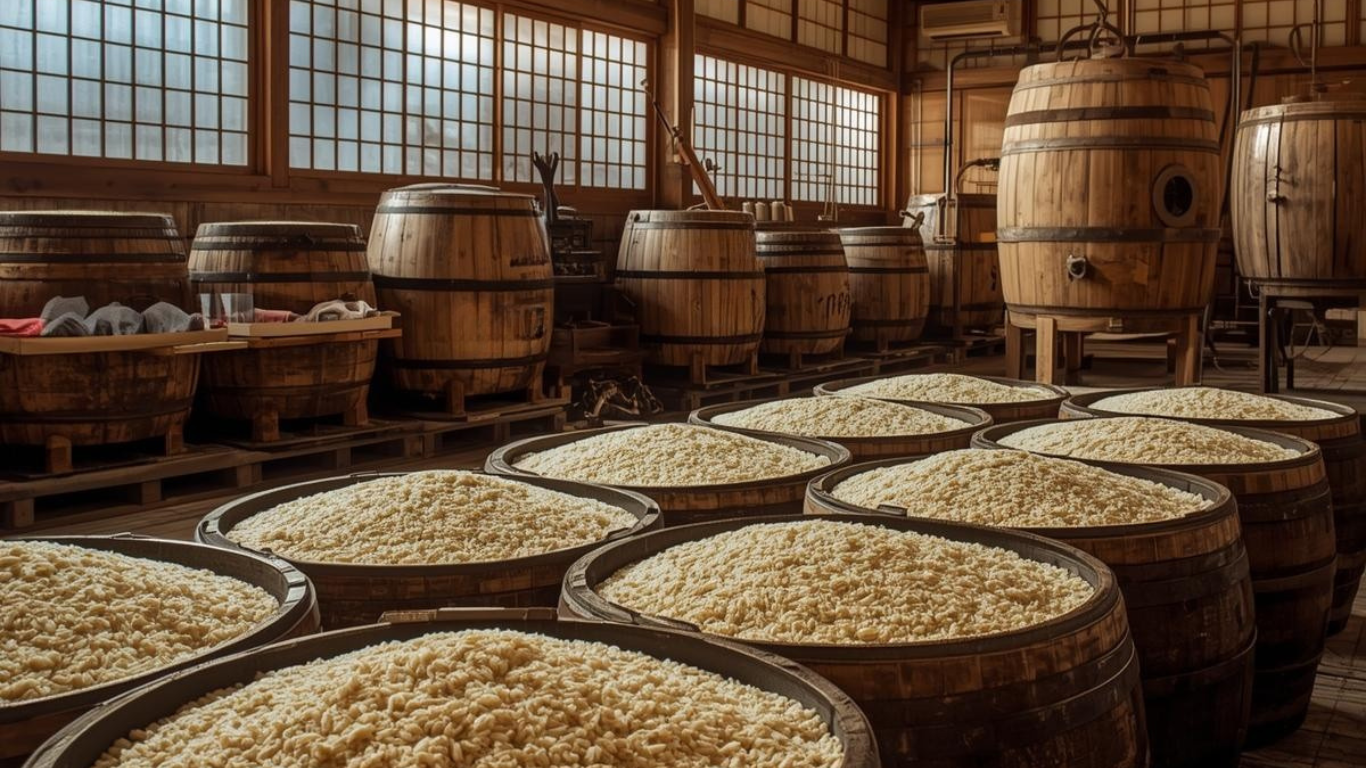
Step 4: Fermentation (Moromi): Koji rice, steamed rice, water, and yeast are combined in stages over several weeks.
Step 5: Pressing, Filtering & Bottling: The liquid is pressed from the solids, sometimes filtered or pasteurized, and then bottled.
Understanding Sake Classifications
Sake classifications are primarily based on:
Below are popular categories to know:
Junmai (純米)
Meaning: “Pure rice”: Contains only rice, water, yeast, and koji (no added alcohol).
Flavor profile: Richer, fuller-bodied, often savory (umami-driven).
Recommended bottle to try: SOTO Premium Junmai (Silver)
Junmai Ginjo
No added alcohol, rice polished to at least 60%.
Flavor profile: Balanced fruit and rice depth, smooth and expressive.
Recommended bottle to try: NAMI Junmai Ginjo Sake (Gold)
Junmai Daiginjo
The pinnacle of pure rice sake craftsmanship — no added alcohol, highly polished rice.
Flavor profile: Elegant, silky, nuanced, layered aromatics.
Recommended bottle to try: BORN YUME WA MASAYUME Junmai Daiginjo Sake (Double Gold)
Sake is not just a beverage - it’s craftsmanship in liquid form. With only four ingredients and centuries of refinement, it offers a remarkable range of textures, aromas, and flavor profiles.
From robust Junmai styles to ethereal Junmai Daiginjo expressions, there is a sake for every palate and occasion. The key is understanding what differentiates them, and then exploring boldly.
The best way to learn sake? Taste widely, compare styles, and let the rice tell its story.