The History of Vodka: From Medieval Medicine to a Global Spirit
Origins of Vodka: Medicine, Monks, and Medieval Roots
Vodka’s story begins in Eastern Europe, most commonly associated with Russia and Poland, where early records date back to the 8th–9th centuries. Originally distilled for medicinal and antiseptic purposes, vodka was often made by monks and apothecaries rather than commercial producers. The word itself derives from voda, meaning “water,” reflecting its clear appearance and central role in daily life. Early vodka was far from the refined spirit we know today, but these humble beginnings laid the foundation for centuries of innovation and craftsmanship.
Vodka Becomes a Cultural Staple in Eastern Europe
By the 14th century, vodka had moved beyond medicine and into social and cultural life. It became deeply woven into celebrations, rituals, and hospitality across Eastern Europe. Distillation techniques improved, grains such as rye and wheat became more common, and vodka emerged as a symbol of national identity. Governments began regulating and taxing production, helping to standardize quality and expand availability. This era marked vodka’s transformation from local spirit to regional powerhouse.
Industrialization and the Rise of Modern Vodka
The 19th and early 20th centuries brought industrial distillation, charcoal filtration, and column stills — technologies that shaped modern vodka’s clean, neutral profile. These advances allowed for greater consistency and mass production, helping vodka travel beyond Eastern Europe. As it entered new markets, producers began experimenting with potatoes, corn, and other base ingredients, broadening vodka’s stylistic range while maintaining its signature purity.
Vodka Goes Global: Cocktails, Craft, and Premiumization
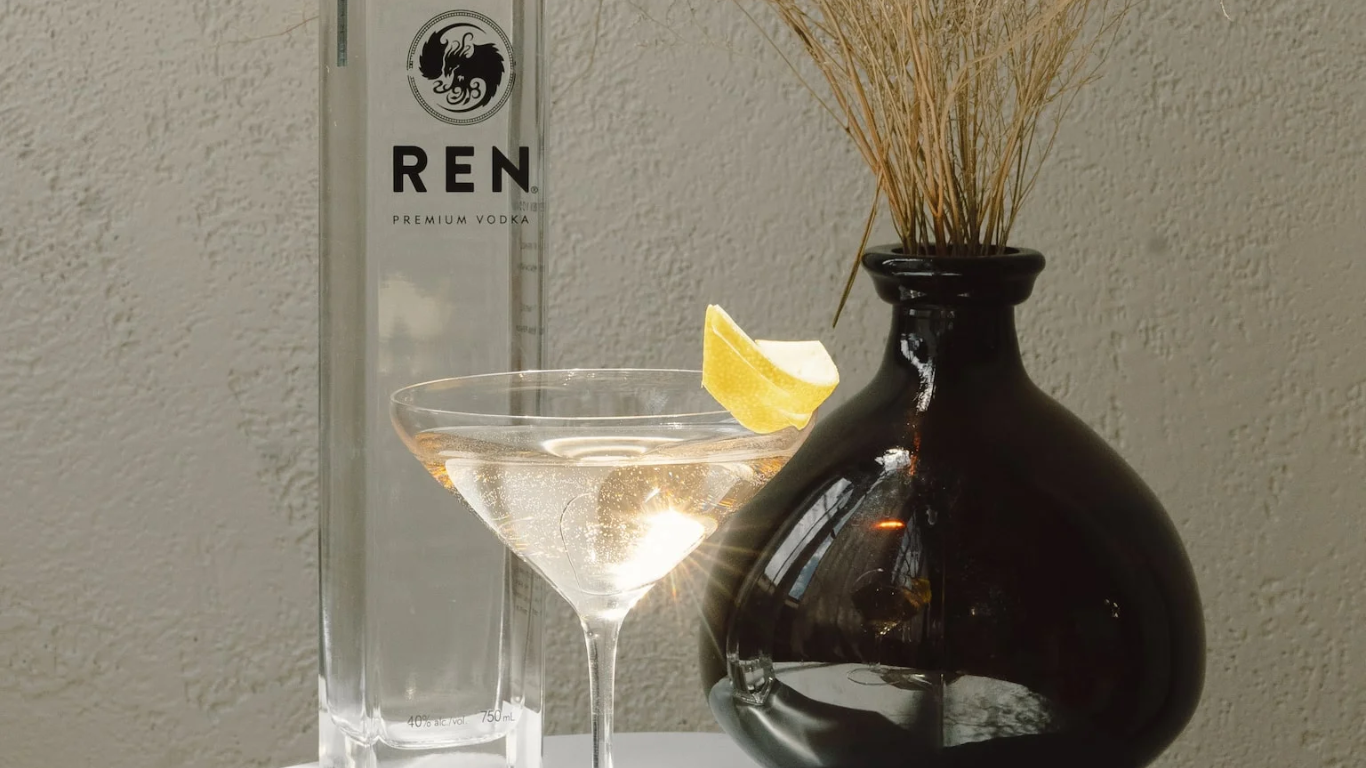
In the mid-20th century, vodka surged in global popularity, particularly in Western Europe and the United States, where it became a cornerstone of cocktail culture. Drinks like the Martini, Moscow Mule, and Bloody Mary helped redefine vodka as versatile and approachable. In recent decades, the craft spirits movement has pushed vodka further, emphasizing terroir, sustainability, and artisanal methods. Premium and ultra-premium vodkas (we recommend trying REN Premium Vodka!) now compete on character, mouthfeel, and subtle flavor distinctions.
Vodka’s Enduring Legacy and Evolving Future
From medieval medicine to modern mixology, vodka’s history is one of adaptation and reinvention. While often celebrated for its neutrality, today’s vodkas showcase remarkable diversity in ingredients, production styles, and regional influence (for a regional twist, try out Old Bird Distillery Double Distilled Airag Arz Vodka). As global competitions continue to spotlight quality and innovation, vodka remains both timeless and forward-looking—an enduring spirit with a rich past and an exciting future.