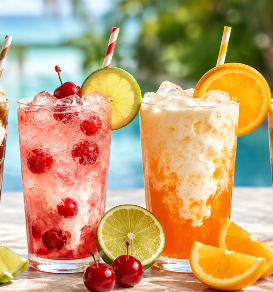
The Importance of Cocktail Garnishes: Why the Finishing Touch Matters
In the world of mixology, every detail counts. The base spirit sets the foundation, balance creates harmony, and technique ensures precision. Yet one element is often underestimated: the cocktail garnish. While some may see it as decorative, professional bartenders and cocktail enthusiasts understand that garnishes are essential to the overall drinking experience.
Cocktail garnishes influence aroma, enhance flavor, elevate presentation, and shape perception. Far from being an afterthought, they are the final expression of craftsmanship in a well-made drink.
Garnishes Shape the First Impression
Before a cocktail is tasted, it is seen and smelled. Visual presentation plays a powerful role in how we perceive quality. A thoughtfully garnished drink signals care, creativity, and expertise. In high-end bars and competitive mixology settings, cocktail presentation is inseparable from the drink itself.
A simple citrus twist expressed over the glass releases aromatic oils that greet the senses immediately. A fresh sprig of mint positioned at the rim creates an inviting fragrance before the first sip. These details may seem subtle, but they fundamentally shape how a cocktail is experienced.
The importance of cocktail garnishes begins with this first impression. We drink with our eyes and our nose before we ever taste.
Aroma: The Hidden Power Behind Flavor
Much of what we perceive as taste is actually aroma. When a garnish is expressed, bruised, or gently warmed, it releases volatile compounds that enhance the cocktail’s complexity. This is why a lemon peel on a Martini or an orange twist on an Old Fashioned is more than tradition—it is functional.
Herbs such as rosemary, thyme, or basil introduce an aromatic layer that interacts with the spirit’s botanicals. Citrus peels amplify brightness and freshness. Even a simple olive in a Martini contributes subtle salinity and scent that complement the drink’s structure.
Understanding how to garnish a cocktail properly means recognizing that aroma is part of flavor architecture. The garnish should reinforce the drink’s profile, not distract from it.
Flavor Enhancement and Balance
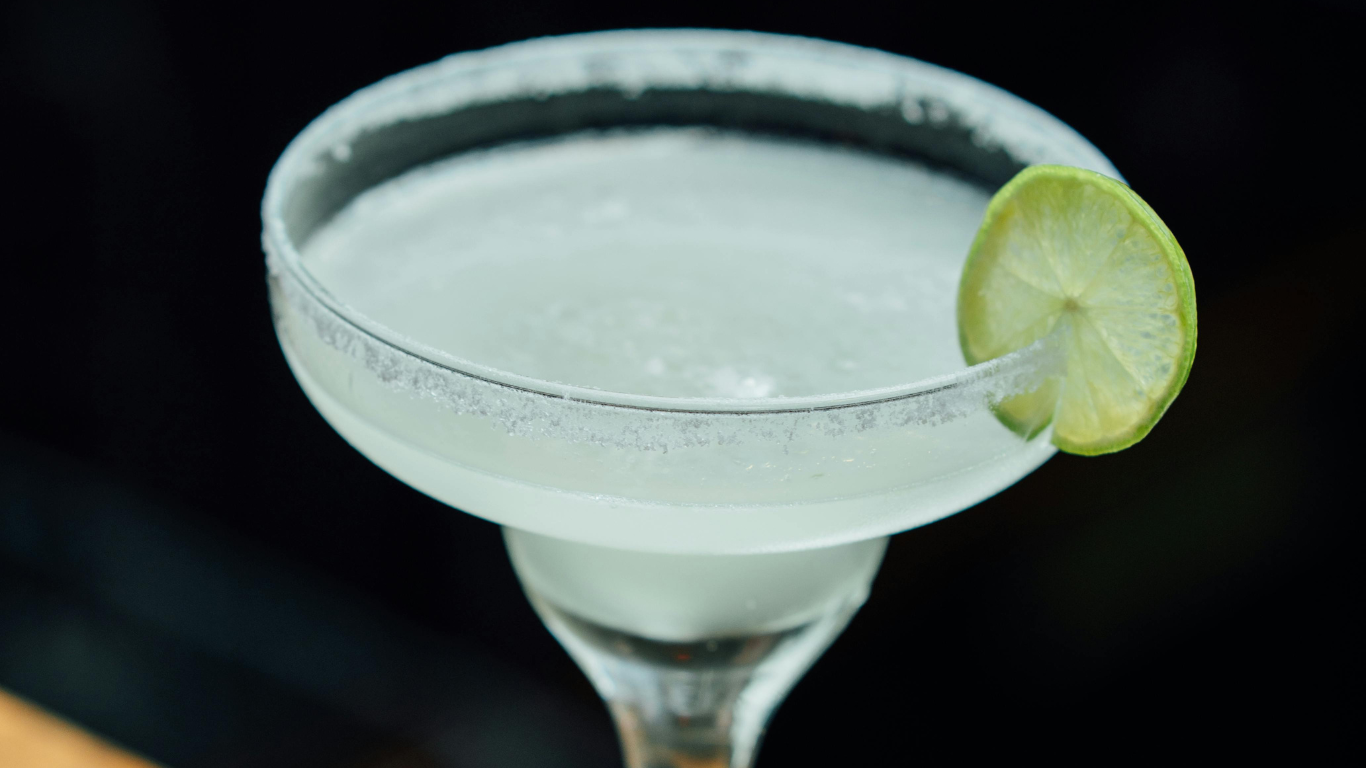
Beyond aroma, certain drink garnishes actively influence taste as the cocktail is consumed. A salted rim on a Margarita heightens contrast between sweet, sour, and savory. A high-quality cherry resting in a Manhattan gradually infuses gentle sweetness. Dehydrated citrus wheels can deepen bitterness in spirit-forward cocktails.
In each case, the garnish plays a dynamic role. It interacts with the liquid over time, subtly shifting balance and complexity. The importance of garnishes in cocktails lies in this ability to evolve the drinking experience from first sip to last.
A poorly chosen garnish, on the other hand, can disrupt harmony. Oversized fruit, overpowering herbs, or unrelated flavors compete rather than complement. Thoughtful selection is essential.
Presentation and Perceived Value
In hospitality, presentation directly influences perceived value. A beautifully garnished cocktail often feels more refined, even before it is tasted. This psychological effect is well documented in food and beverage settings: aesthetic appeal enhances enjoyment and justifies premium positioning.
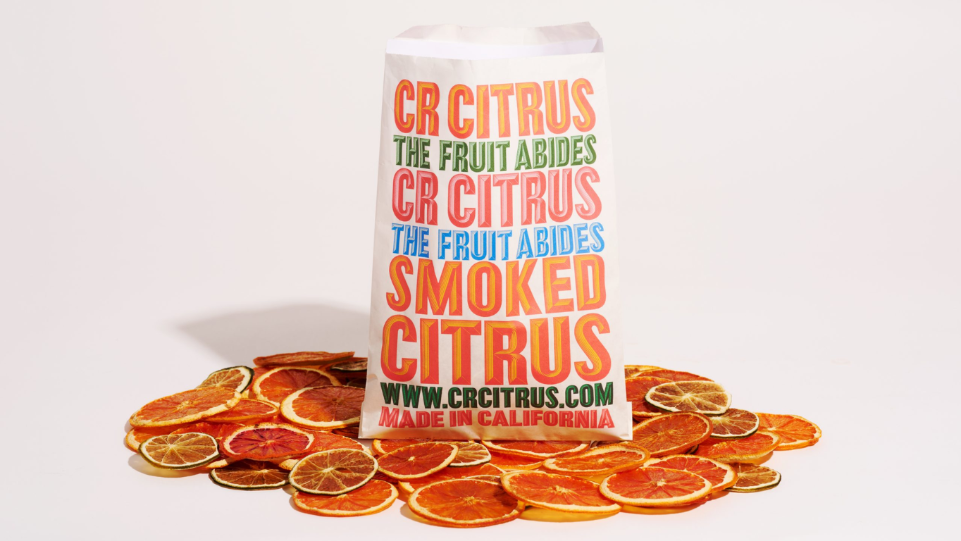
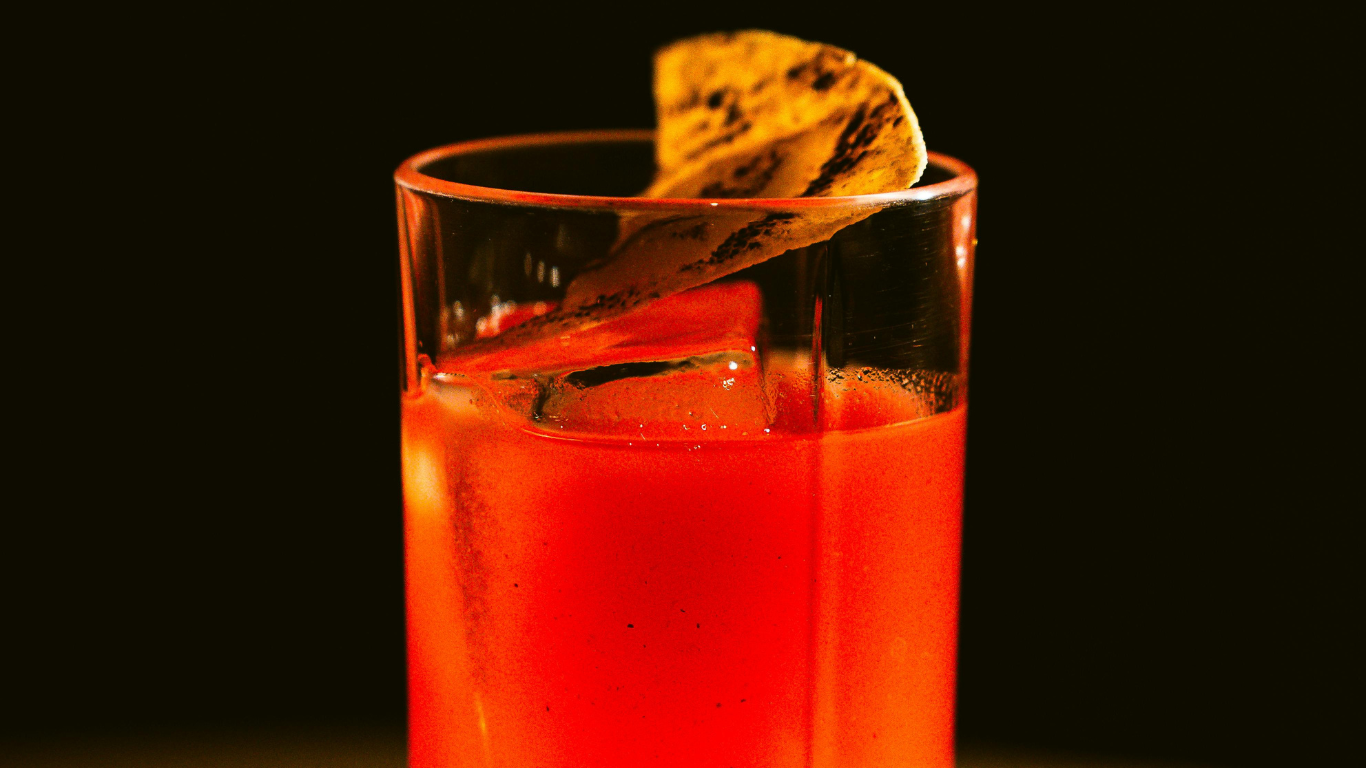
For bars, restaurants, and spirits brands, cocktail garnishes contribute to visual identity and storytelling. A smoked rosemary sprig suggests warmth and depth. Edible flowers evoke delicacy and seasonality. A meticulously cut citrus coin signals precision (we highly recommend CR Citrus!).
For home bartenders, mastering cocktail garnish ideas instantly elevates entertaining. Guests recognize the difference between a casually poured drink and one that feels curated.
How to Garnish a Cocktail with Intention
Effective cocktail garnishing requires restraint and intention. The garnish should relate to at least one ingredient in the drink, either by flavor, aroma, or theme. Freshness is non-negotiable; wilted herbs or dried-out citrus undermine quality instantly.
Placement also matters. Aromatic elements should sit near the rim to engage the nose. Structural garnishes should not interfere with sipping. Proportion should feel balanced with the glassware and the drink’s style.
Ultimately, the goal is harmony. The garnish should feel like a natural extension of the cocktail rather than an accessory added for decoration alone.
The Final Touch That Completes the Experience
The importance of cocktail garnishes extends far beyond aesthetics. They influence perception, enhance aroma, shape flavor, and elevate presentation. In professional mixology and at-home bartending alike, garnishes represent the final step in delivering a complete sensory experience.
A well-crafted cocktail deserves a thoughtful finish. With intention and creativity, the right garnish transforms a drink into something memorable.