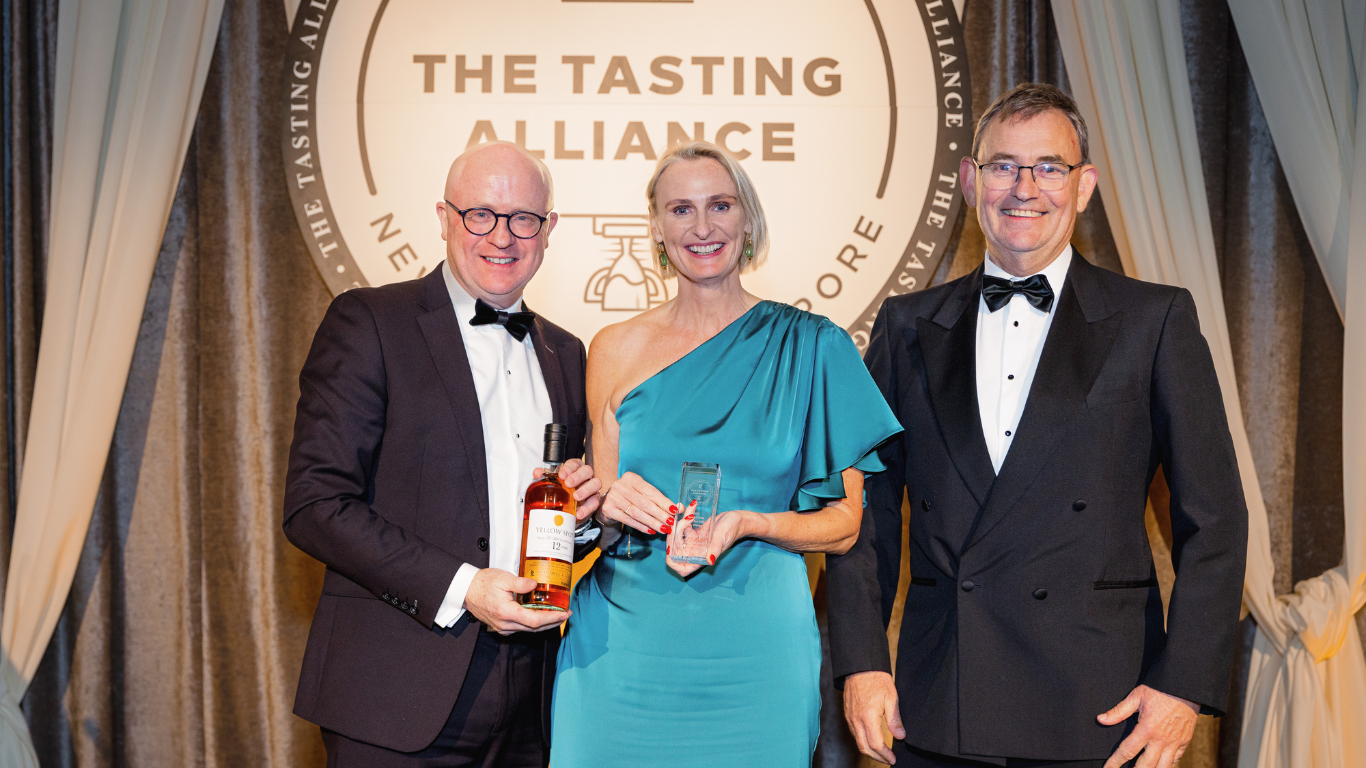
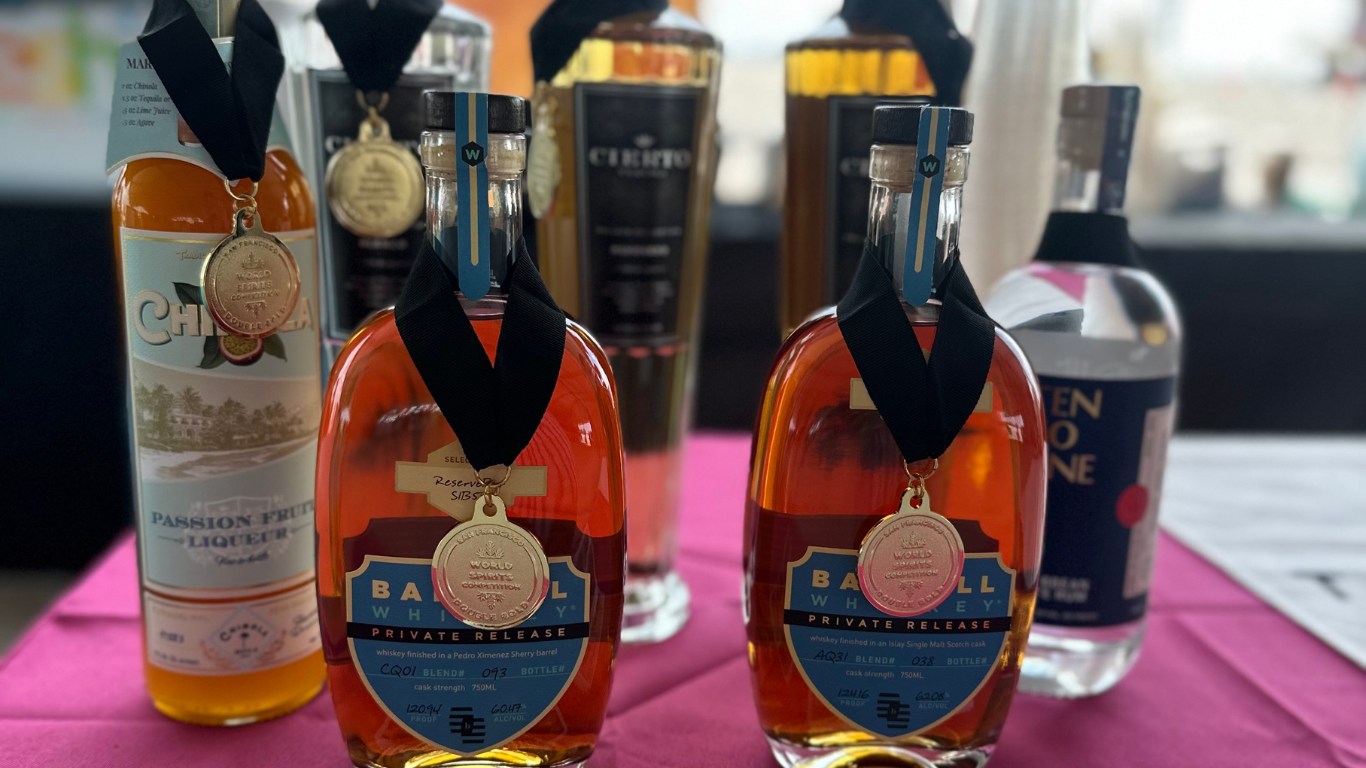
Understanding The Tasting Alliance Awards: What the Medals Really Mean
A Deep Dive Into The Tasting Alliance Awards — And What They Really Mean
In today’s crowded beverage landscape, standing out is harder than ever. Shelves are packed with thousands of wines, spirits, ready-to-drink cocktails, beers, and non-alcoholic alternatives competing for consumer attention. That’s where trusted third-party validation becomes incredibly important — and few organizations carry more weight in the beverage industry than The Tasting Alliance.
Known globally for prestigious competitions like the San Francisco World Spirits Competition, San Francisco International Wine Competition, and San Francisco Ready to Drink Competition, The Tasting Alliance has spent decades building a reputation for rigorous blind judging and industry credibility. But for many consumers and even emerging brands, one question remains: what do these awards actually mean?
Here’s a closer look at how the awards system works, why the medals matter, and how they influence both the industry and buying decisions around the world.
What Makes The Tasting Alliance Different?
Founded in 1980 with the launch of the wine competition and later expanded into spirits and other beverage categories, The Tasting Alliance helped pioneer the modern blind tasting competition format. Today, its events attract thousands of entries from producers across the globe.
What separates these competitions from standard marketing awards is the judging methodology. Products are evaluated completely blind, meaning judges never see the bottle, branding, packaging, or price point. Instead, they focus entirely on what’s in the glass: aroma, flavor, balance, texture, finish, and overall quality.
Judging panels are made up of respected industry professionals, including sommeliers, buyers, bartenders, distillers, educators, journalists, and beverage directors. This diversity of expertise helps ensure that awards reflect both technical quality and real-world market appeal.
For consumers, that blind format creates trust. A medal isn’t awarded because a brand has a larger marketing budget or flashy packaging — it’s awarded because the product genuinely impressed experienced palates.
Understanding the Medal System
One of the most recognizable aspects of The Tasting Alliance competitions is the medal structure itself. While categories may vary slightly across competitions, the scoring philosophy remains consistent.
Platinum Medal
The Platinum designation is reserved for products that demonstrate sustained excellence over time. This award is presented only to entries that have earned a Double Gold medal for three consecutive years in the same competition, highlighting consistent world-class quality and craftsmanship year after year.
Double Gold Medal
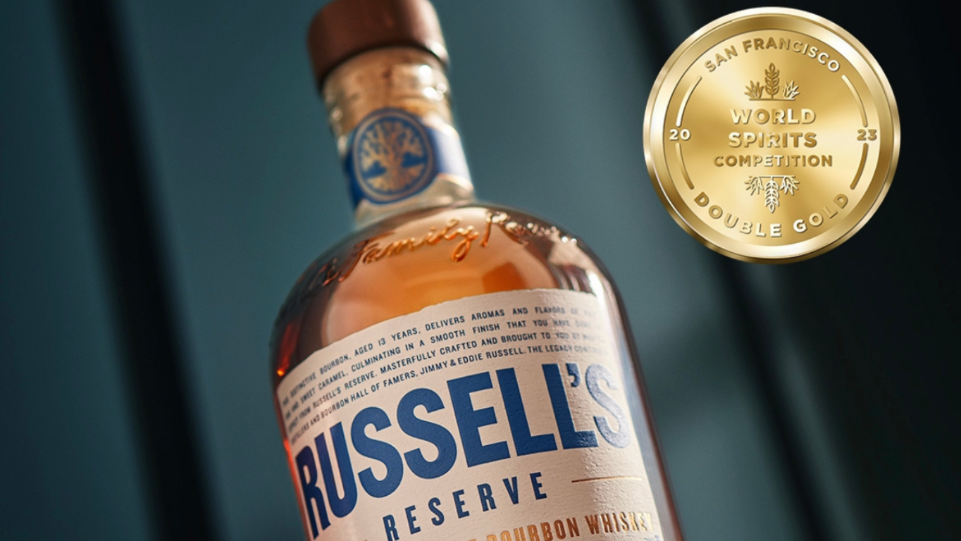
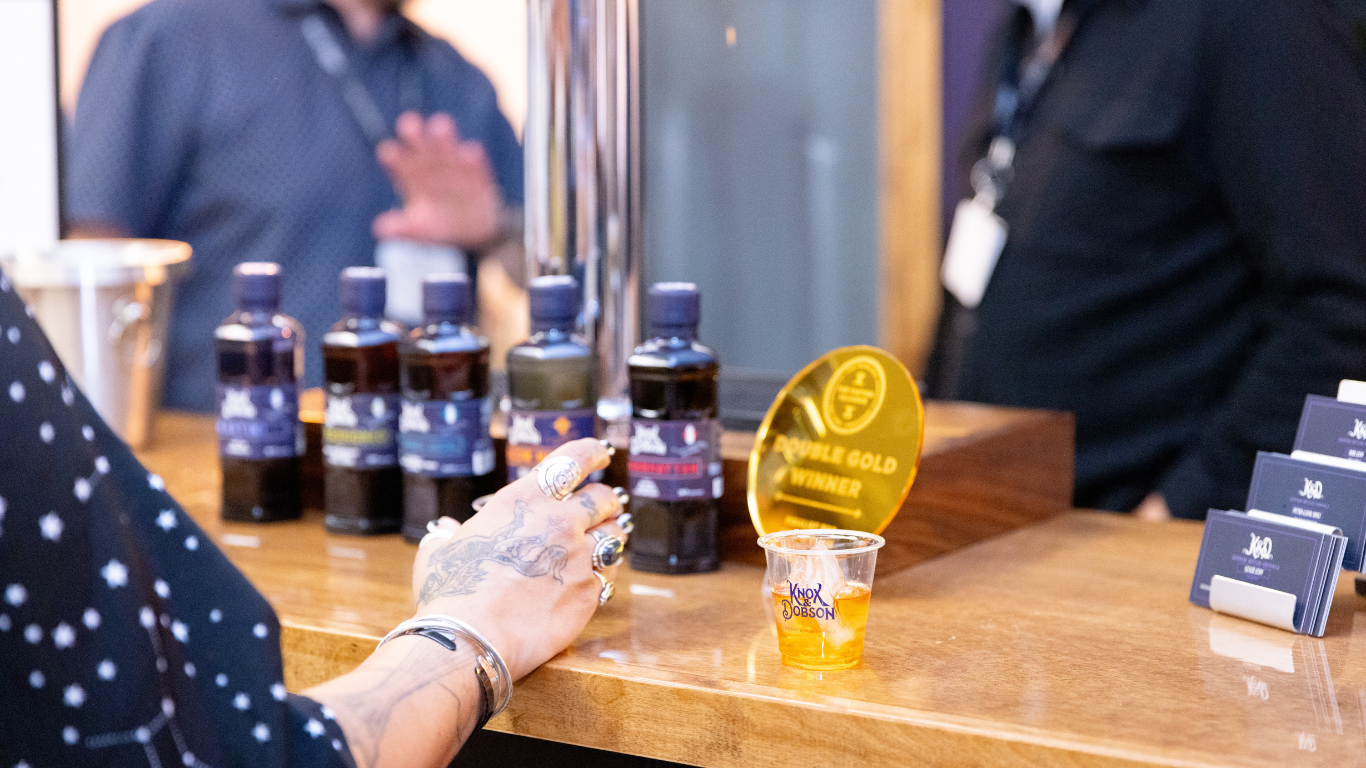
A Double Gold is awarded when every judge on the panel unanimously gives the product a Gold-level score. This is one of the most coveted distinctions in the industry because it signals overwhelming consensus among experts.
Gold Medal
Gold medals are awarded to products that demonstrate exceptional quality and set a benchmark within their category. These entries often showcase outstanding balance, complexity, and craftsmanship.
Silver Medal
Silver medal winners are considered excellent products that display strong quality and character. They may have slightly less distinction or complexity than Gold medal recipients, but still stand out in competitive fields.
Bronze Medal
Bronze medals recognize well-made products that meet professional standards and deliver a positive tasting experience.
In some competitions, top-performing products may also advance to sweepstakes rounds, where judges determine “Best in Show” and “Best of Class” winners across broader categories!
Best of Class
Awarded to the top-performing product within a specific category, Best of Class recognizes the entry that stands above all others in its class based on quality, craftsmanship, and overall sensory excellence. Products earning this distinction have first received a Double Gold medal before advancing to an additional sweepstakes round judged against other top entries in the same category.
Best in Show
The highest honor presented in a competition, Best in Show is awarded to the single most exceptional product among all category winners. This designation represents the pinnacle of achievement and recognizes extraordinary quality, distinction, and performance in blind tasting evaluation.
Why These Awards Matter to Brands
Winning a medal from The Tasting Alliance can have a significant impact on a brand’s trajectory. In an industry where consumers are faced with endless choices, third-party validation helps establish immediate credibility.
For emerging brands, a medal can open doors to distributors, retailers, restaurants, and media opportunities. Buyers often look to competition results when deciding which products deserve shelf space or cocktail program placement.
For established producers, awards reinforce brand reputation and provide valuable marketing assets that can be used across packaging, advertising, websites, and social media campaigns.
A Double Gold or Best in Class recognition can also create measurable sales impact. According to reporting from publications like Forbes and UpRoxx, award-winning products frequently experience increased consumer interest and retail visibility following major competitions.
The credibility stems from consistency. Because The Tasting Alliance competitions are known for strict blind judging standards, the awards carry weight well beyond simple promotional value.
More Than Just a Medal
At first glance, a medal sticker on a bottle may seem like a simple marketing tool. But behind every award is a detailed blind evaluation process conducted by experienced professionals who assess thousands of products each year.
For brands, these awards can drive recognition, distribution opportunities, and long-term credibility. For consumers, they provide guidance and confidence in a crowded marketplace. And for the broader beverage industry, they help establish quality benchmarks that continue to elevate standards worldwide.
Ultimately, The Tasting Alliance awards represent something bigger than a trophy or score. They represent trust — earned one blind tasting at a time.