Understanding an Agave Spirits Label
Agave spirits reward attention. Before aroma rises from the glass or texture registers on the palate, the label has already disclosed a remarkable amount of information. For professionals, buyers, and serious enthusiasts, those details provide insight into origin, raw material, production method, and regulatory compliance. Understanding how to read an agave spirits label is not simply about decoding terminology — it is about recognizing craftsmanship and context.
What follows is not a checklist, but a framework: the essential elements that define what is in the bottle.
The Denomination: Geography Defines the Category
The most prominent word on the label — Tequila, Mezcal, Raicilla, or Bacanora — establishes the legal and cultural identity of the spirit.
Tequila is produced primarily in Jalisco, with limited municipalities in four additional states. It must be made from Blue Weber agave and is regulated by the Consejo Regulador del Tequila (CRT). The category is tightly structured, both agriculturally and industrially.
Mezcal operates under a broader denomination, spanning more than ten approved states. It permits dozens of agave species and encompasses a wide range of production scales, from highly artisanal to more industrialized operations.
Raicilla, historically produced in coastal and mountainous regions of Jalisco, carries its own denomination of origin and reflects deeply regional traditions. Bacanora, made exclusively in Sonora, represents northern desert terroir and a production history once driven underground during periods of prohibition.
The denomination is not branding. It is the legal framework that defines geography, permitted agave varieties, and regulatory oversight.
100% Agave: A Critical Distinction
On a tequila label, one phrase carries particular weight: “100% de Agave.” Tequila is the only agave category legally permitted to contain non-agave sugars unless the label explicitly states 100% agave. Products without that declaration may include up to 49% other sugars and are known as mixtos. While compliant, they differ fundamentally in structure and profile from fully agave-based expressions.
Mezcal, raicilla, and bacanora must, by regulation, be made entirely from agave sugars. There is no mixto equivalent.
For those evaluating quality, this single line signals whether the spirit is rooted entirely in agave or supplemented by additional fermentable sources.
The Agave Species: The Blueprint of Flavor
Agave is not singular. It is a botanical family with profound variation, and the species used shapes the spirit’s identity.
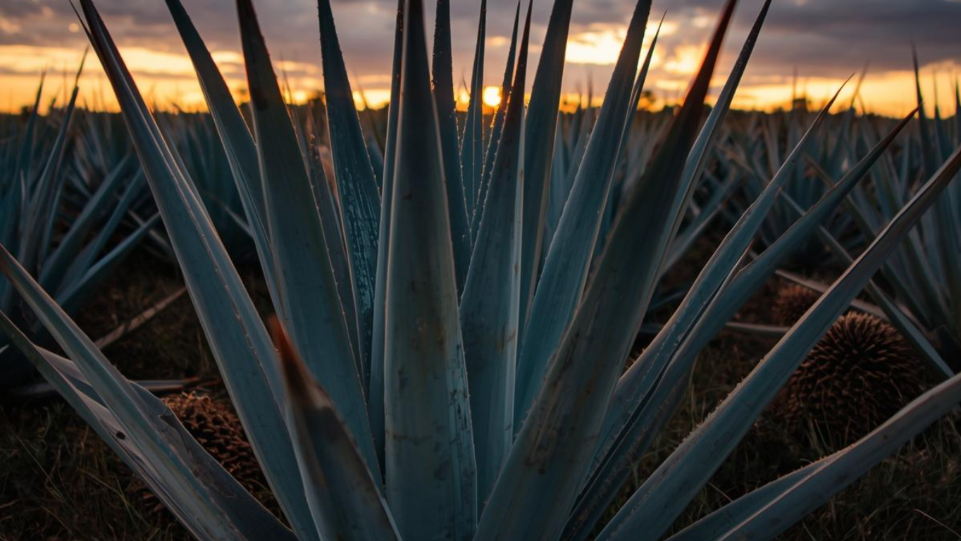
Tequila will always be made from Agave tequilana Weber azul — Blue Weber agave. That uniformity is central to the category’s definition.
Mezcal labels often specify the agave species: Espadín, Tobalá, Tepeztate, Madrecuixe, or an ensamble of multiple varieties. These distinctions matter. Some agaves mature in under a decade; others require twenty years or more. Some yield bright, fruit-driven profiles; others lean toward earth, mineral, or herbal intensity.
Raicilla and bacanora may list regional varieties such as Maximiliana or Angustifolia, reinforcing the importance of local ecology.
When the label names the agave species, it is revealing the agricultural foundation of the spirit. For serious tasters, this is often the most telling detail on the bottle.
Aging Classifications: Style, Not Hierarchy
Agave spirits may also carry aging designations, though their presence does not inherently signal superiority.
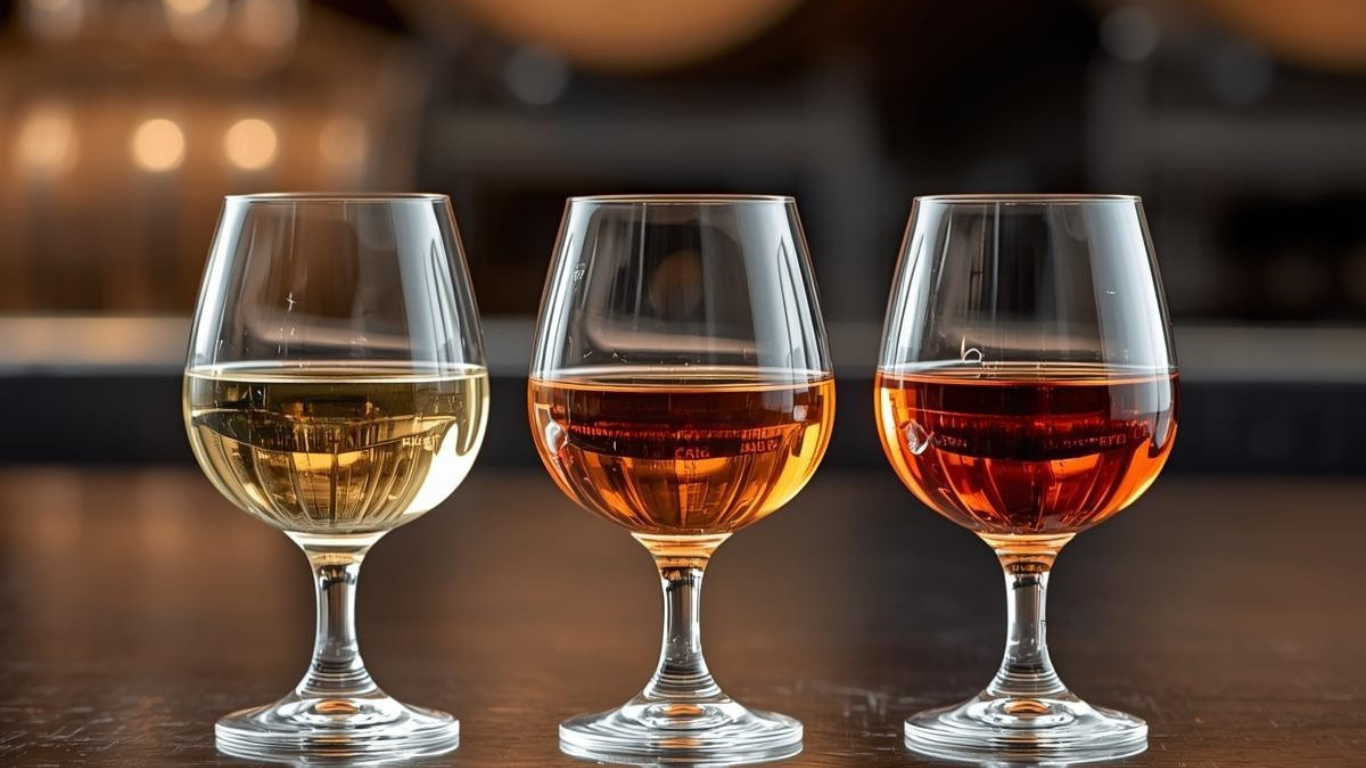
Blanco or Plata expressions are typically unaged or rested briefly, preserving the clearest expression of cooked agave. Reposado indicates aging between two and twelve months in oak. Añejo reflects one to three years of maturation, while Extra Añejo exceeds three years.
Oak aging introduces color, spice, and structure, but it also shifts emphasis away from raw agave character. Some of the most terroir-driven and distinctive spirits are unaged, where fermentation and distillation choices remain fully transparent.
Aging statements communicate stylistic intent, not a quality ladder.
Production and Certification: Transparency in the Details
Certain labels, particularly in mezcal, go further by identifying production classifications such as artesanal or ancestral. These terms indicate regulated traditional methods — from earthen pit ovens to tahona milling and clay pot distillation. They are not decorative language; they describe process.
Tequila bottles include a NOM number, a four-digit identifier linking the spirit to its certified distillery. This number allows traceability and often reveals when multiple brands originate from the same production facility.
Mezcal, raicilla, and bacanora labels include certification numbers from their regulatory councils and increasingly highlight batch numbers or even the name of the producer. These details signal accountability and authenticity.
For professionals, these markings are not peripheral. They are part of the spirit’s provenance.
Reading with Intent
An agave spirits label is more than compliance language. It is a condensed record of geography, agriculture, regulation, and human decision-making.
The denomination defines place. The agave species suggests flavor architecture. The aging classification signals stylistic direction. Certification numbers ensure legitimacy and traceability.
In a category rooted in regional identity and tradition, the label is not secondary to the tasting experience, it is the introduction to it. Understanding how to read an agave spirits label allows the glass to be approached not just with curiosity, but with context.