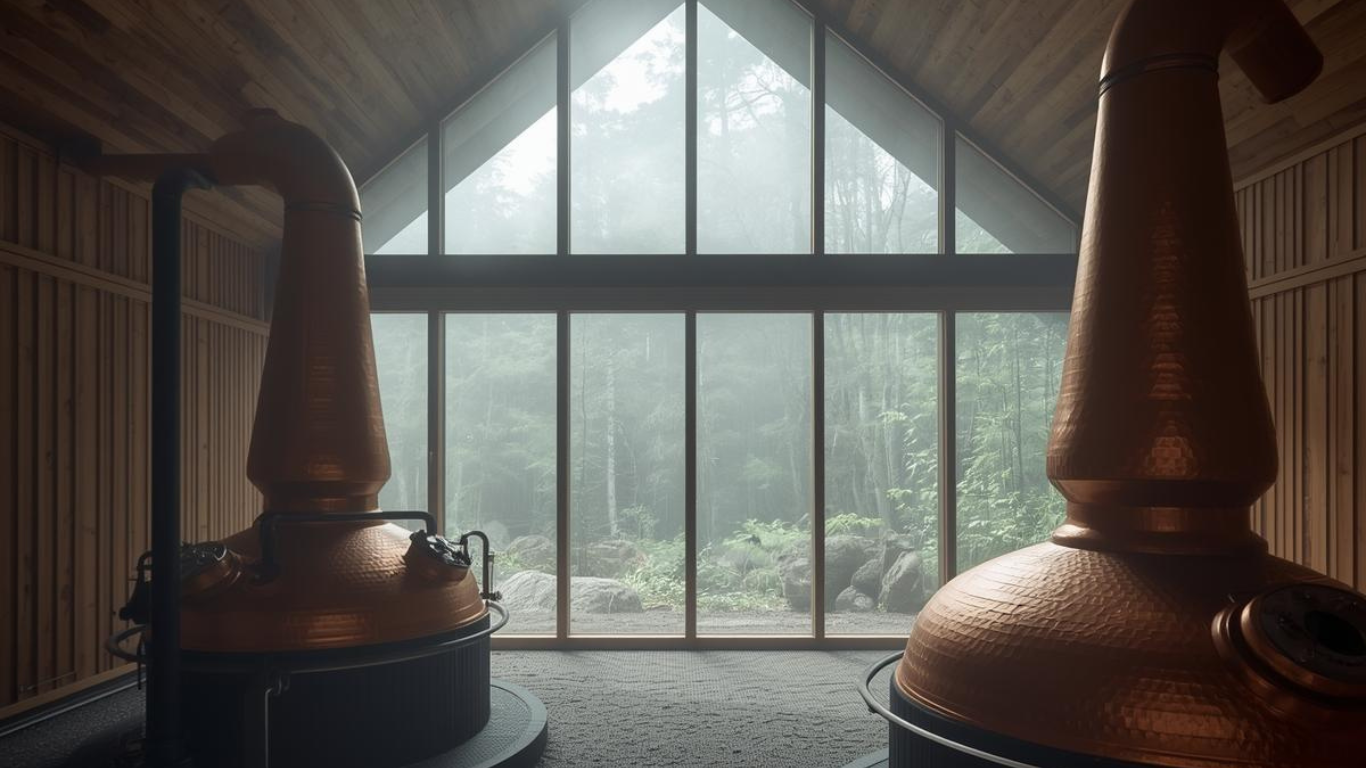
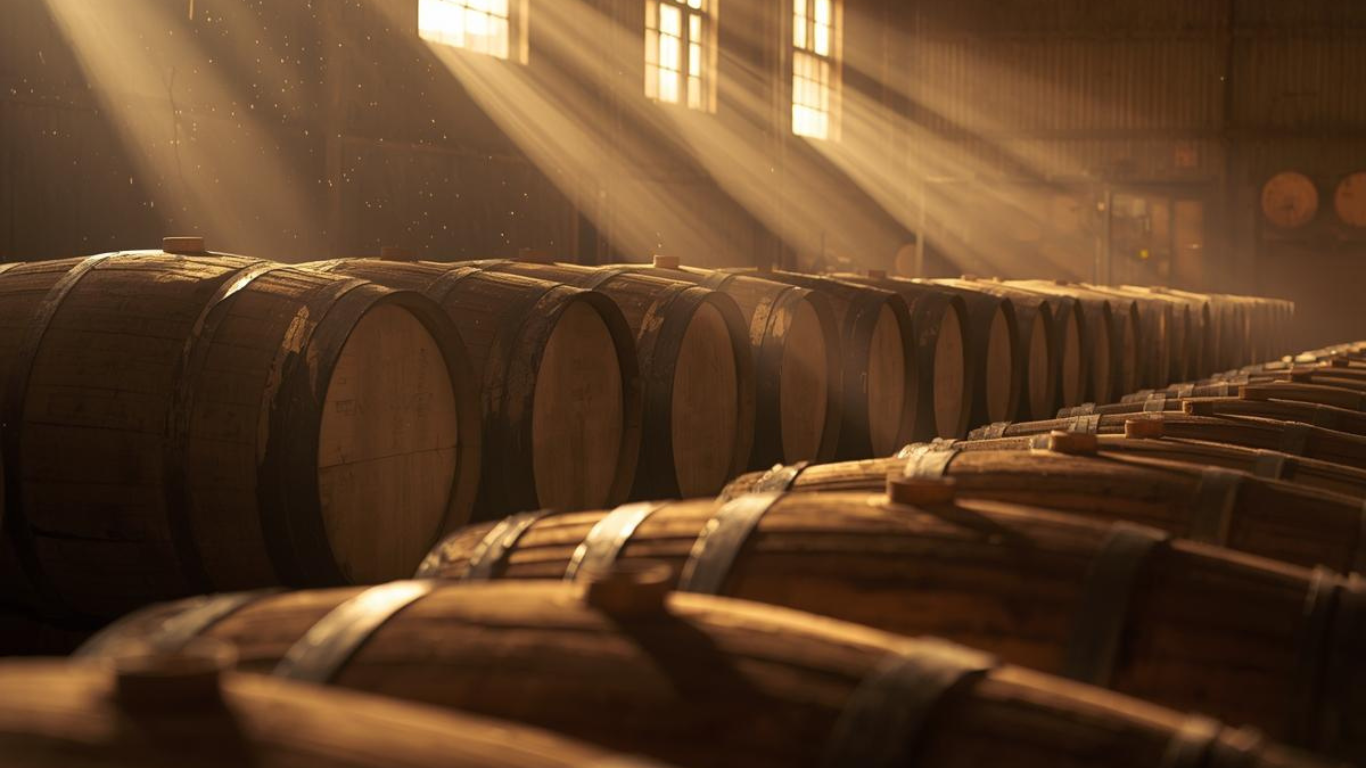
Why Japanese and Australian Whiskies Are on the Rise
For decades, the global whisky conversation was dominated by Scotland and the United States. But in recent years, two regions have transformed the landscape: Japan and Australia. Once considered emerging players, both countries are now producing some of the most sought-after bottles in the world — winning major awards, attracting collectors, and reshaping consumer expectations.
The rise of Japanese and Australian whisky is not accidental. It’s the result of craftsmanship, climate, innovation, and a global shift toward premium, story-driven spirits. Here’s why these two whisky-producing nations are commanding unprecedented attention.
A Global Shift Toward Discovery
Today’s whisky drinker is more adventurous than ever. Consumers are no longer satisfied with the familiar labels; they want provenance, authenticity, and something that feels distinctive. The premiumisation trend, where drinkers are willing to spend more for quality and uniqueness, has created space for new regions to shine.
Japanese and Australian whiskies fit perfectly into this shift. Both offer compelling origin stories, smaller production runs, and flavor profiles that stand apart from traditional Scotch or Bourbon. As drinkers seek exploration over tradition, these categories have flourished.
Japanese Whisky: Precision, Balance, and Global Prestige
Japanese whisky’s ascent has been decades in the making. Inspired by Scotch traditions in the early 20th century, Japanese distillers adopted Scottish techniques but refined them through a distinctly Japanese lens — one rooted in precision, harmony, and attention to detail.
The result is a style known for balance and nuance. Rather than bold smoke or heavy sweetness, Japanese whiskies often showcase subtle layers: orchard fruit, honey, gentle oak, soft smoke, and floral notes. The blending artistry is particularly revered, with distillers crafting expressions that feel seamless and refined.
International awards accelerated global demand. When Japanese whiskies began outperforming established Scotch brands in blind tastings and global competitions, collectors and enthusiasts took notice. Limited age-statement releases quickly became scarce, further driving intrigue and prestige.
What sets Japan apart is its philosophy: whisky-making treated as an art form. Every element — water source, climate, cask selection, and blending — is approached with meticulous care.
Australian Whisky: Bold Innovation Meets Climate Advantage
While Japan built its reputation through refinement, Australia’s rise has been powered by innovation and bold experimentation. Australia’s modern whisky movement gained momentum in the 1990s, particularly in Tasmania. Distillers embraced a craft mindset, unburdened by centuries of tradition. The result? A willingness to experiment with cask types, barley varieties, and maturation techniques.
One of Australia’s greatest advantages is climate. Warmer temperatures accelerate interaction between spirit and barrel, meaning Australian whiskies often mature more quickly and develop intense flavor profiles in shorter timeframes. Rich fruit, spice, and wine-cask influence are common characteristics.
Many producers utilize Australian wine barrels - shiraz, cabernet, and fortified wine casks - creating flavor signatures that are distinctly local. The whiskies feel modern, expressive, and sometimes daring — appealing strongly to contemporary drinkers.
Awards, Scarcity, and the Collector Effect
Critical acclaim has played a major role in the rise of both regions. International competitions brought credibility. Limited releases created urgency. As supply struggled to keep pace with global demand, particularly for Japanese age-statement whiskies, scarcity drove prices upward.
Collectors entered the category aggressively. Auction houses began featuring Japanese bottles alongside rare Scotch. Australian craft releases started selling out quickly. What was once niche became aspirational.
This combination of awards, storytelling, and limited production created a powerful market dynamic: desirability fueled by both quality and rarity.
Here are our award-winning selections in both categories:
A Permanent Shift in the Whisky Landscape
Japanese and Australian whiskies are not rising because they are new — they are rising because they are exceptional. Their success reflects evolving consumer tastes, a desire for authenticity, and an appreciation for craftsmanship regardless of geography.
As whisky drinkers continue to explore beyond traditional borders, these two regions are no longer emerging players. They are established forces shaping the future of premium spirits.
For collectors, enthusiasts, and curious newcomers alike, the message is clear: the world of whisky has expanded — and Japan and Australia are leading the charge.