Wine & Spirits Trends to Watch in 2026: What's Next for the Drinks Industry
As the drinks world heads into 2026, wine and spirits are being shaped by two big forces at once: a faster-changing planet and a faster-changing consumer. Today’s drinkers are more intentional about what they pour — looking for products that match their values, fit new wellness habits, and still deliver a sense of discovery and occasion. At the same time, producers are adapting to climate pressure, shifting costs, and new technologies that influence everything from vineyard decisions to packaging. The result is a year ahead that will reward innovation, authenticity, and flexibility across every tier of the market.
No/Low Alcohol Goes Truly Mainstream
By 2026, “NoLo” wine and spirits won’t be a side shelf—they’ll be a core strategy. Market researchers and trade watchers are pointing to continued double-digit growth driven by Gen Z and Millennials who want flavor and ritual without the buzz. The category is maturing fast: better production tech means higher-quality zero-proof wines, alcohol-free agave “spirits,” and complex ready-to-pour NA cocktails that don’t taste like compromise. Expect more premium positioning (think $25+ NA bottles), bigger on-premise lists, and pairing-friendly options rather than novelty sips.
Premiumization Gets Smarter (and More Selective)
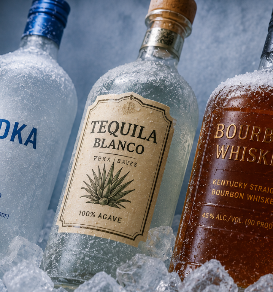
Premiumization isn’t dead, but it’s changing shape. Instead of blanket “trade-up,” 2026 is likely to reward brands that can justify price with story, scarcity, or experience—single-vineyard wines, limited cask finishes, and culturally rooted spirits. At the same time, inflation-sensitive drinkers are pushing some hot categories into a value rethink. Tequila is the clearest example: after years of sky-high growth, the market is seeing down-trading and price competition, which will echo across other spirits too. The winners will be producers who balance accessible core lines with truly distinctive high-end releases.
Climate Change Reshapes the Map and the Glass
Climate volatility is no longer a background issue—it’s actively rewriting what and where we drink. Warmer temperatures and shifting rainfall are pushing vineyards northward and uphill, accelerating the rise of new regions (think northern Europe, higher-altitude sites, and once-marginal coastal areas). Consumers in 2026 will see more wines from “emerging” places, plus more drought-resistant and heat-tolerant grape varieties. For producers, this means experimentation with heritage or alternative grapes, new farming models, and transparency about climate adaptation. For drinkers, it means a broader, more adventurous global wine list.
Sustainability Moves Past Buzzwords to Proof
By 2026, sustainability will be judged by measurable choices, not just labels. Lightweight bottles, alternative packaging, regenerative farming, and lower-carbon logistics are becoming table stakes—retailers are already shifting to lighter glass at scale, and producers are following to cut transport emissions. On top of that, consumers are connecting eco-credibility with quality and authenticity, especially younger buyers. Expect packaging innovation like cans, refillables, and paper bottles where quality fits.
Tech-Enabled Wine Culture and At-Home Rituals
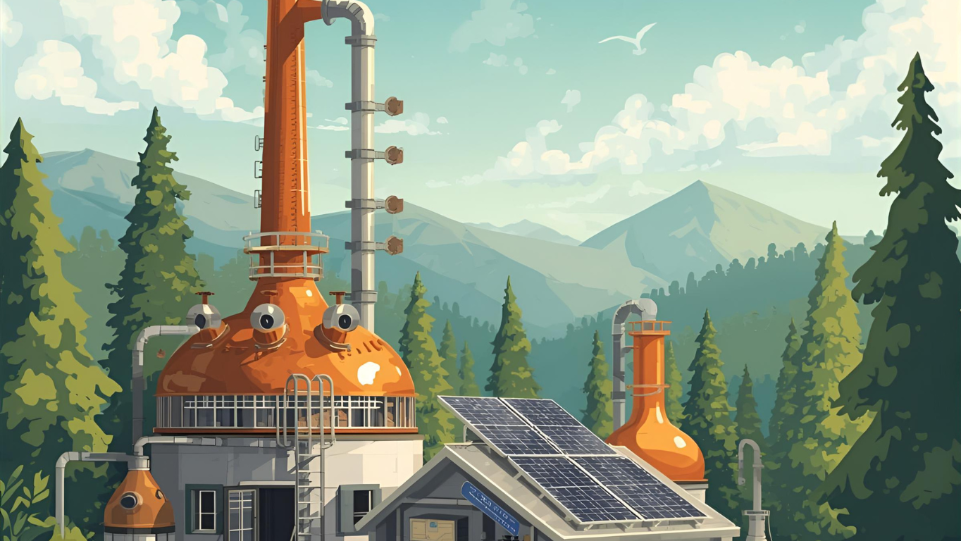
Technology is influencing both production and consumption. In vineyards and distilleries, AI and precision ag tools are helping forecast yields, manage disease, and adapt to climate stress—raising consistency and lowering waste. On the consumer side, a parallel shift is happening: people are entertaining at home more deliberately, investing in bar and wine-storage gear, and seeking curated experiences through apps, virtual tastings, and direct-to-consumer clubs. In 2026, the “occasion” matters as much as the bottle, so brands that build rituals—whether through smart subscription models or elevated home-hosting cues—will stand out.
Taken together, the trends defining 2026 point to a wine and spirits landscape that’s more diverse, more purposeful, and more dynamic than ever. The categories growing fastest will be the ones that meet consumers where they are — offering choice across alcohol levels, price points, and formats, while backing it with real quality and believable sustainability. Meanwhile, climate adaptation and tech-driven production will continue to expand what’s possible in flavor and origin, giving drinkers fresh reasons to explore. For brands, retailers, and hospitality leaders, the opportunity in 2026 is clear: don’t just follow shifts in taste — help shape the rituals and values around how people drink now.