The History of the Martini: Origins, Evolution, and Enduring Appeal
A Cocktail Born in the Wild West
The origins of the martini are as debated as they are fascinating. Most historians trace its roots back to the mid-1800s, during the height of the California Gold Rush. One popular story places its birth in the town of Martinez, where a bartender supposedly crafted a new drink for a gold miner celebrating his fortune. That early version, often referred to as the “Martinez,” combined gin, sweet vermouth, maraschino liqueur, and bitters—a far cry from today’s crisp, dry martini.
Another theory ties the drink to the Italian vermouth brand Martini & Rossi, suggesting the cocktail took its name from the label itself. While the exact origin remains unclear, what’s certain is that the martini evolved from a family of aromatic, spirit-forward cocktails that defined the late 19th century.
The Evolution into a Classic
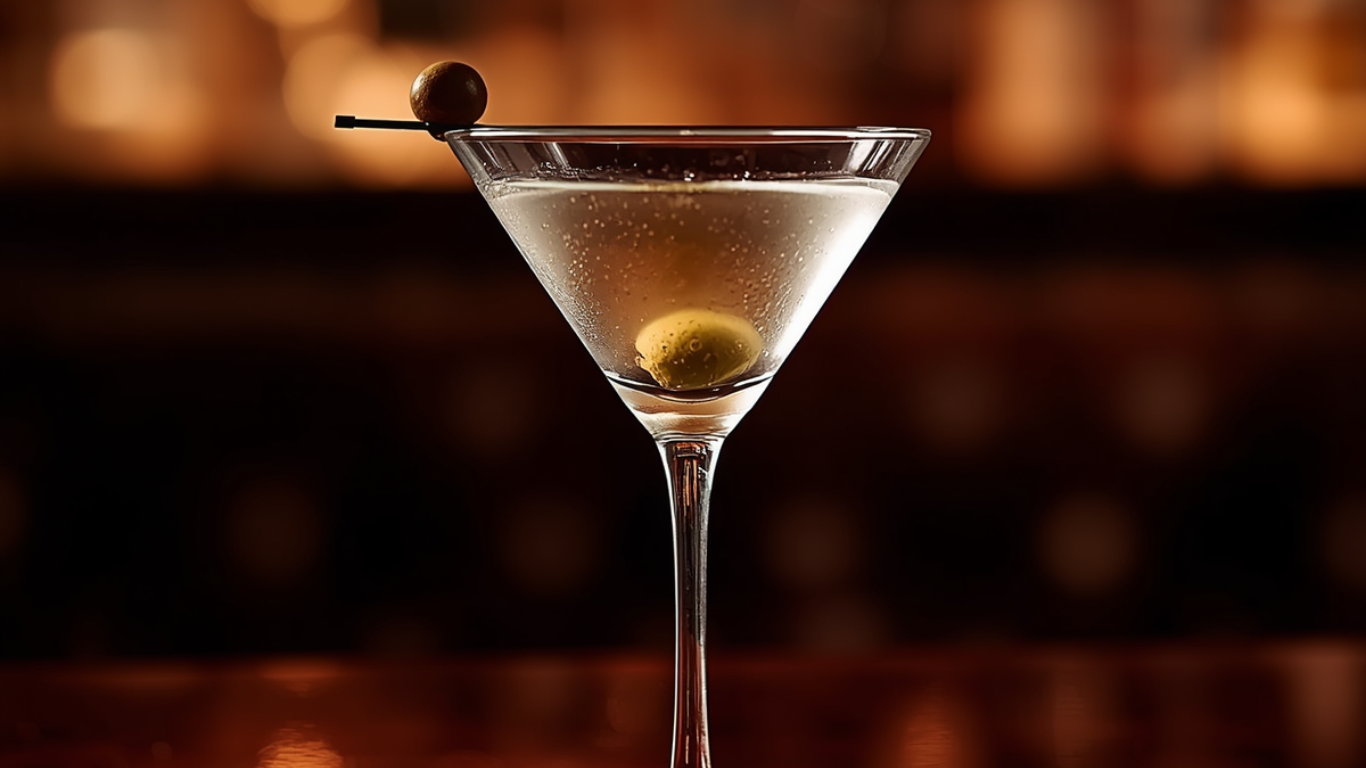
By the early 20th century, the martini had begun to resemble the drink we know today. Sweet vermouth gave way to dry vermouth, and the ratio of gin to vermouth steadily increased, resulting in a cleaner, sharper profile. The garnish also shifted—from cherries to lemon twists and olives—marking a transition toward a more refined aesthetic.
The martini became a staple of pre-Prohibition cocktail culture, appearing in influential bartending guides and gaining popularity in urban centers like New York City and San Francisco. Its simplicity made it both accessible and adaptable, allowing bartenders to fine-tune the balance to suit evolving tastes.
Prohibition and the Rise of the Martini
During Prohibition in the United States, the martini’s popularity surged. With the quality of available spirits often questionable, the cocktail’s minimal ingredients helped mask imperfections. Gin, which was relatively easy to produce illicitly, became the base spirit of choice.
Speakeasies across the country embraced the martini, cementing its reputation as a sophisticated yet rebellious drink. After Prohibition ended, the martini retained its cultural cachet and quickly became a symbol of elegance and modernity.
Modern Interpretations and Variations
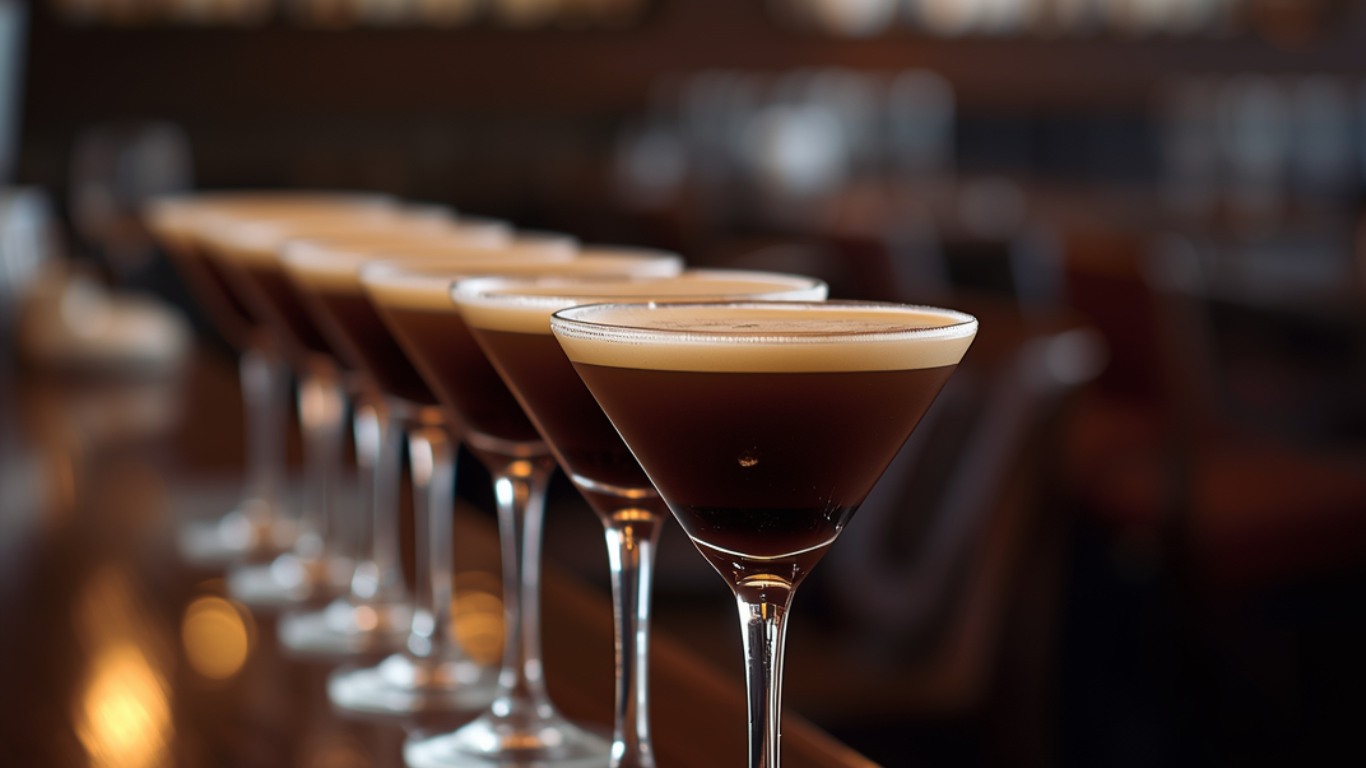
Today, the martini continues to evolve while maintaining its core identity. Classic gin martinis remain a benchmark for bartenders, but modern variations have expanded the category dramatically. From the briny “dirty martini” to the dessert-like espresso martini, the drink has proven remarkably adaptable.
Craft cocktail culture has also sparked renewed interest in traditional preparation methods, with bartenders emphasizing high-quality ingredients and precise ratios. Premium gins and vermouths are now widely available, allowing for a more nuanced and elevated drinking experience.
For those interested in exploring award-winning expressions of gin and vodka commonly used in martinis, The Tasting Alliance offers insights through competitions like the San Francisco World Spirits Competition and its detailed results pages, which highlight top-performing spirits across categories.
Why the Martini Endures
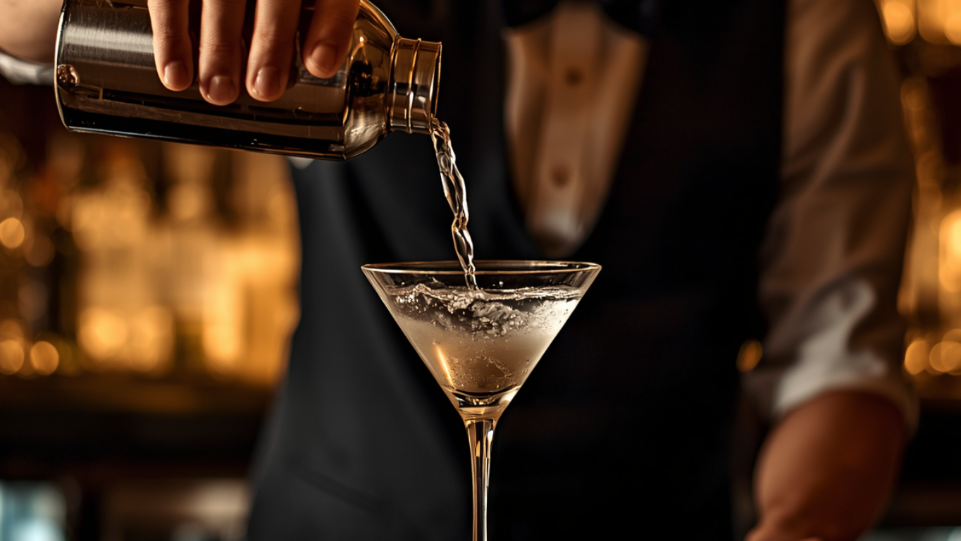
The martini’s longevity lies in its balance of simplicity and sophistication. With just a few ingredients, it offers endless opportunities for personalization—whether you prefer it dry, wet, dirty, or with a twist. Its clean profile also makes it a perfect showcase for the base spirit, rewarding quality and craftsmanship.
Beyond its taste, the martini represents a ritual. From the chilled glass to the careful stir or shake, every step contributes to its enduring appeal. It’s a drink that invites intention, making it as much an experience as it is a cocktail.