How Judges Evaluate Mouthfeel in Spirits Competitions
Why Mouthfeel Matters More Than You Think
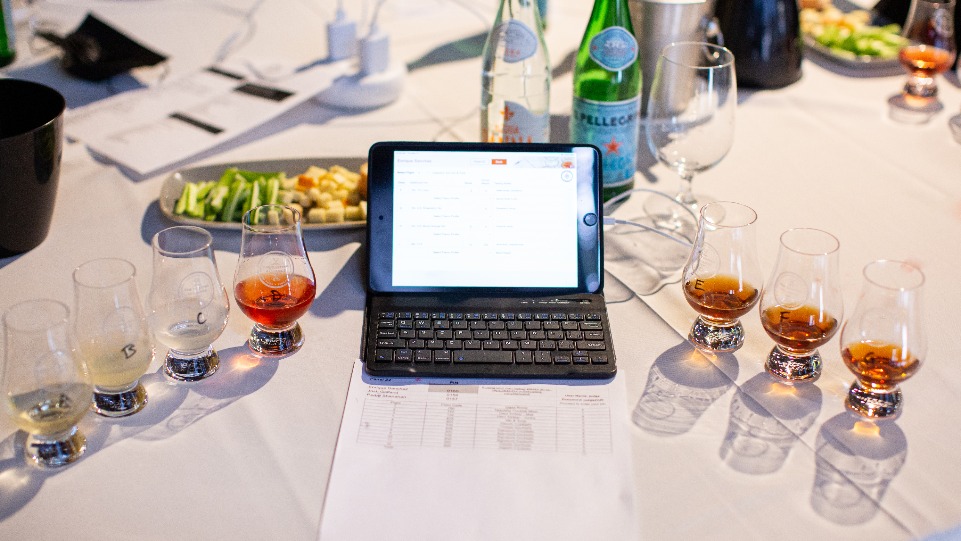
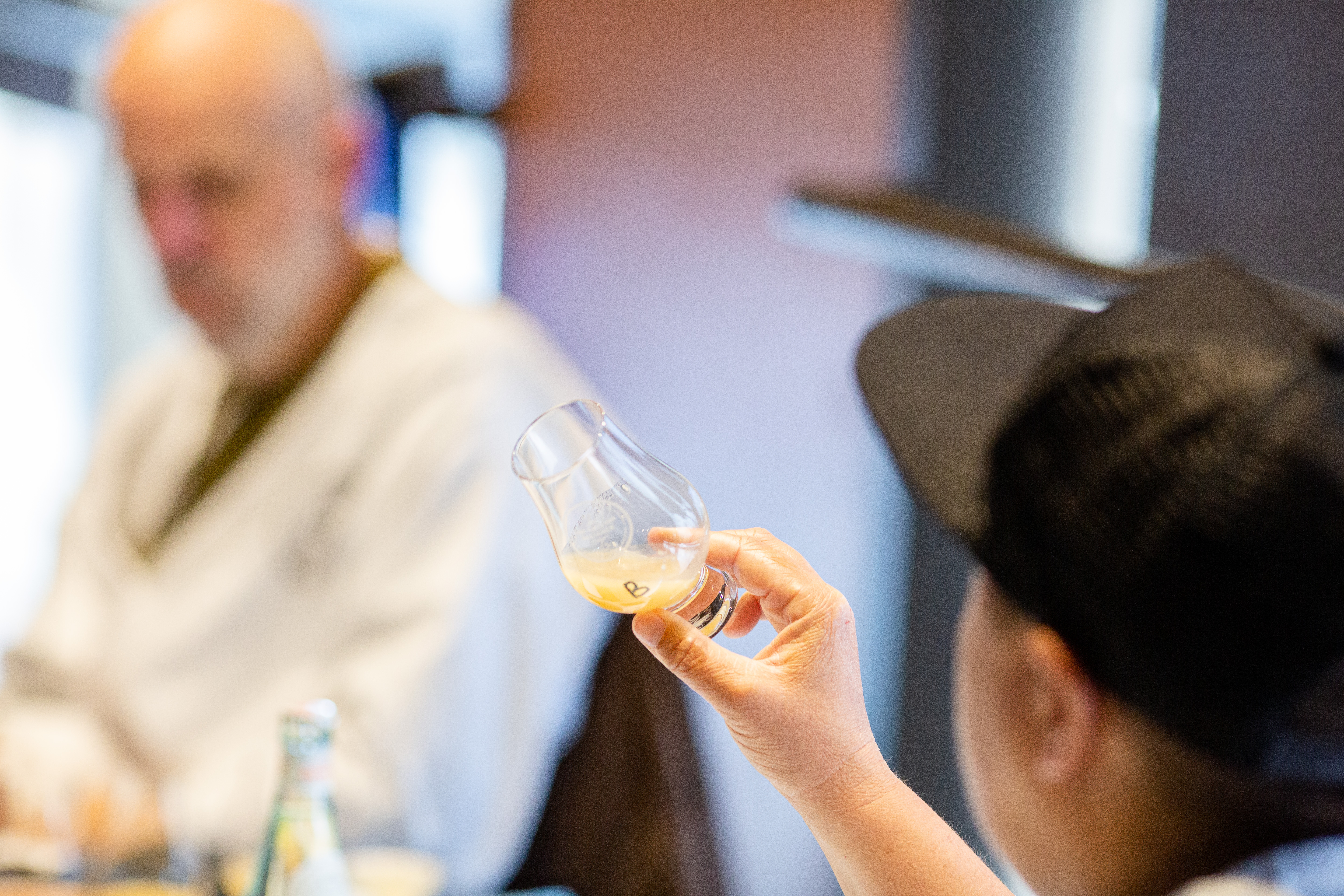
When people talk about tasting spirits, flavor tends to steal the spotlight. But in competitions hosted by The Tasting Alliance, mouthfeel is just as critical. It’s the tactile experience of a spirit—how it feels on the palate—and it can elevate a good product into an award-winning one. Judges are trained to assess not just what they taste, but how a spirit moves, coats, and lingers. In blind tasting environments like the San Francisco World Spirits Competition or Asia World Spirits Competition, mouthfeel often becomes a defining factor when deciding between closely matched entries.
Texture: The First Impression on the Palate
Texture is the immediate sensation a spirit delivers once it hits the tongue. Judges look for qualities like silky, creamy, oily, or thin. A well-crafted whiskey, for example, might have a velvety texture that feels full without being heavy, while a poorly balanced spirit may come across as watery or harsh.
In competitions, texture should align with the spirit’s category and style. A rich, barrel-aged rum is expected to have more weight than a crisp, clean vodka. Judges aren’t just asking, “Is this pleasant?” but “Is this appropriate?” That distinction is key in professional scoring.
Viscosity and Weight: Body in the Glass
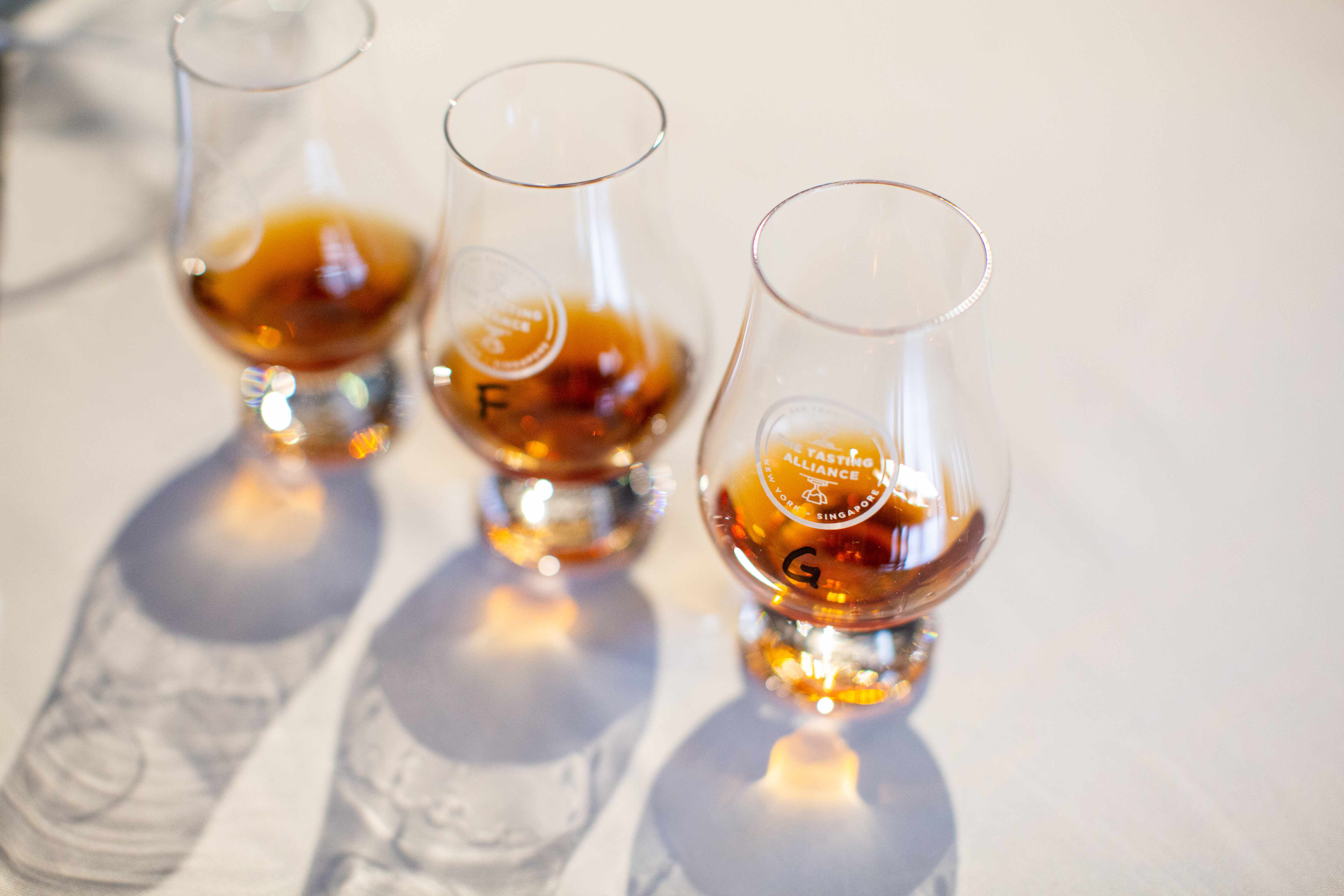
Closely tied to texture is viscosity—the perceived thickness or body of a spirit. Judges often describe this as “light-bodied,” “medium-bodied,” or “full-bodied.” Swirling the liquid in the glass can give visual cues (those slow-moving “legs”), but the real assessment happens on the palate.
A spirit with proper viscosity will feel cohesive and intentional. Too thin, and it may seem diluted or underdeveloped. Too thick, and it can feel cloying or unbalanced. Judges at The Tasting Alliance competitions are trained to recognize when viscosity enhances the drinking experience versus when it detracts from it. This is especially important in categories like bourbon or añejo tequila, where mouth-coating richness is often expected.
Balance: Where Texture Meets Flavor
Mouthfeel doesn’t exist in isolation—it works in tandem with flavor, aroma, and finish. Judges evaluate how the texture supports or disrupts the overall balance of the spirit. A creamy texture can soften high alcohol heat, while a sharp, thin mouthfeel might amplify it.
For example, in a well-made gin, a clean and slightly dry mouthfeel allows botanical notes to shine without becoming overwhelming. In contrast, a liqueur should have enough weight to carry its sweetness without feeling syrupy. Balance is where technical skill meets artistry, and it’s often the difference between a Silver and a Double Gold medal.
The Finish: How Mouthfeel Lingers
The finish is the final chapter of the tasting experience, and mouthfeel plays a major role here. Judges pay close attention to how long the texture and sensations persist after swallowing. Does the spirit leave a pleasant coating? Does it dry out too quickly or linger too heavily?
A great finish should feel intentional and harmonious. For instance, a premium tequila might leave a smooth, slightly oily coating that carries agave sweetness into a long, satisfying finish. On the other hand, a harsh or overly hot finish can indicate imbalance, even if the initial flavors were appealing.
The Takeaway: Mouthfeel as a Marker of Quality
In The Tasting Alliance competitions, mouthfeel is more than a secondary characteristic—it’s a critical marker of quality and craftsmanship. From the first sip to the lingering finish, judges are evaluating how a spirit feels just as much as how it tastes.
For producers, mastering mouthfeel means paying attention to every stage of production, from distillation cuts to barrel aging and proofing. For consumers, understanding mouthfeel opens up a deeper appreciation of what’s in the glass. And for judges, it remains one of the most nuanced—and revealing—elements of the tasting process.