Wheated Bourbon Explained: What Sets It Apart
A Softer Side of Bourbon
Bourbon is defined by strict rules, but within those boundaries there’s plenty of room for variation. One of the most talked-about styles today is wheated bourbon, often praised for its smoothness and approachability. While the term gets used frequently on labels and in tasting rooms, many drinkers aren’t quite sure what it actually means. Understanding wheated bourbon starts with a closer look at the grains that go into the mash bill—and how one small change can make a big difference.
What “Wheated Bourbon” Means
At its core, wheated bourbon is defined by the grain used alongside corn. All bourbon must contain at least 51% corn, but the remaining grains, called secondary or flavoring grains, can vary. In a wheated bourbon, wheat is used instead of rye as the primary secondary grain. This substitution is what gives wheated bourbon its name and its signature character.
Wheat tends to be softer and less spicy than rye, which means it doesn’t assert itself as aggressively in the final spirit. The result is a bourbon that often tastes smoother and rounder, especially when compared to rye-forward styles.
How Wheat Affects Flavor
The most noticeable difference in wheated bourbon is flavor. Where rye commonly contributes spice, pepper, and herbal notes, wheat brings a gentler profile. Wheated bourbons are often described as having flavors of caramel, vanilla, honey, soft oak, and baked bread. The mouthfeel can also seem creamier or fuller, particularly as the bourbon ages.
This softer flavor profile makes wheated bourbon especially appealing to new bourbon drinkers or those who prefer less spice and heat. That said, “smooth” doesn’t mean simple. Well-made wheated bourbons can still show impressive depth and complexity over time.
Wheated Bourbon vs. Traditional Bourbon
Traditional bourbon often uses rye as the secondary grain, which creates a sharper, spicier flavor profile. Rye-forward bourbons can feel bolder and more assertive, particularly on the finish. Wheated bourbons, by contrast, lean into sweetness and softness, with fewer sharp edges.
Neither style is “better” - they simply cater to different palates. Some drinkers prefer the spice and structure of rye, while others gravitate toward the mellow nature of wheat. Understanding this difference helps consumers choose bottles that align with their taste preferences.
Why Wheated Bourbons Are So Popular
Wheated bourbons have developed a devoted following, partly because of their approachable flavor and partly due to their reputation for aging gracefully. As these bourbons mature, the sweetness and softness from wheat often integrate beautifully with oak, creating rich, layered spirits.
Scarcity has also played a role in their popularity. Some of the most famous wheated bourbons are released in limited quantities, adding to their allure and collectability. This combination of smooth flavor and high demand has made wheated bourbon one of the most sought-after styles on the market.
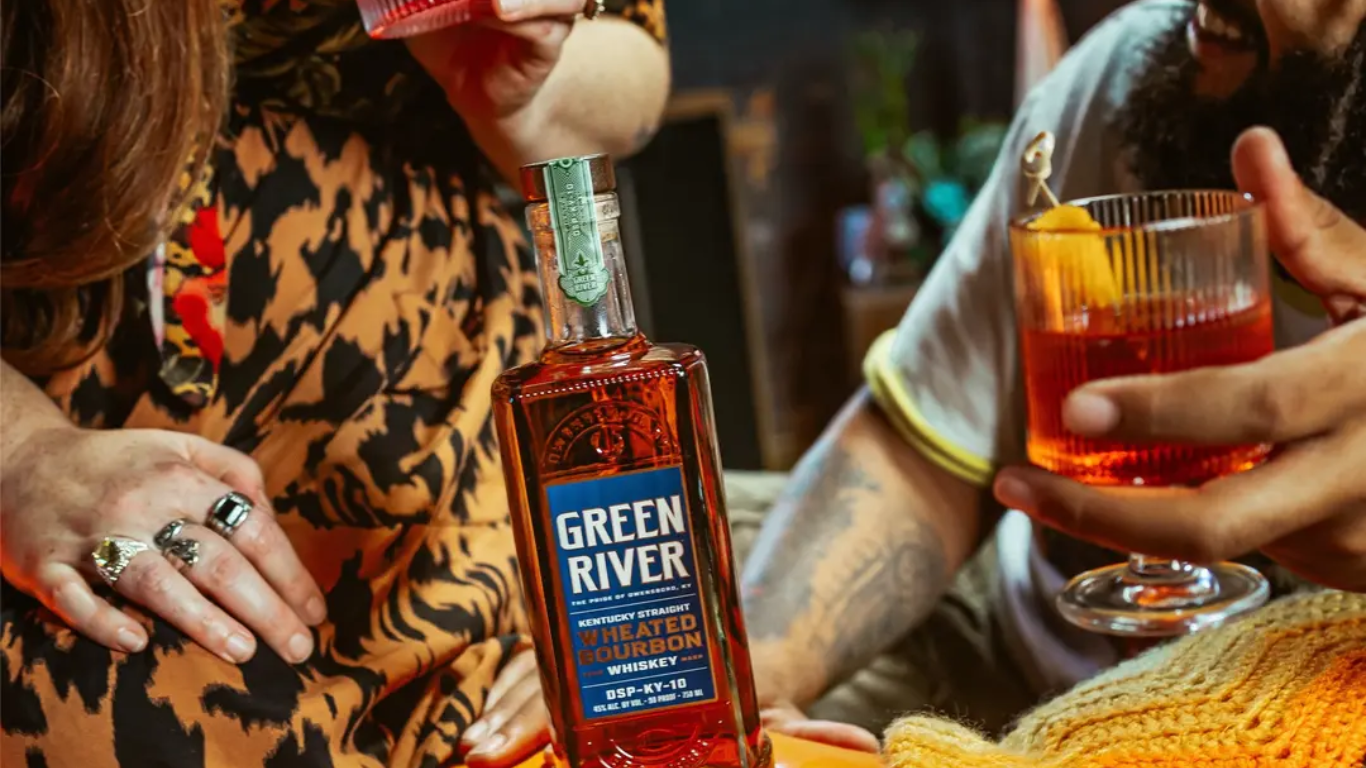
If you're looking to dabble into the wheated bourbon space, we recommend trying Green River Kentucky Straight Wheated Bourbon, which received a Double Gold medal in the 2025 New York World Spirits Competition.
A Grain That Makes a Difference
Wheated bourbon isn’t a separate category — it’s a stylistic choice that subtly but significantly shapes the final spirit. By replacing rye with wheat, distillers create bourbons that are softer, sweeter, and often more approachable, without sacrificing complexity. Whether you’re new to bourbon or a seasoned enthusiast, understanding what “wheated bourbon” means can help you better appreciate what’s in your glass, and guide you toward bottles you’re more likely to love.