The Science of Tasting Wine: How to Become a Better Taster
Wine tasting may feel artistic and intuitive, but behind every swirl, sniff, and sip is real sensory science. Whether you’re an industry professional or an enthusiastic beginner, understanding why wine tastes the way it does, and how our brains interpret those sensations, is the key to becoming a more confident and skilled taster.
With the 2025 San Francisco International Wine Competition happening next month, now is the perfect time to elevate your palate. Here’s a science-backed guide to help you taste wine like a pro even from home.
Sensory Science 101: How We Perceive Flavor
Flavor isn’t just about taste—it’s a combination of multiple senses working together.
Taste: The Basic Five
Your tongue detects:
Sweetness (ripeness, residual sugar)
Acidity (freshness, brightness)
Bitterness (phenolics, tannins, grape variety)
Saltiness (rare in wine but possible)
Umami (subtle, found in aged wines)
Aroma: Where the Real Magic Happens
Over 80% of flavor perception occurs in the olfactory system. That’s why swirling the wine is crucial—it helps volatile aromatic compounds rise from the glass.
Wines contain hundreds of aroma molecules, categorized into:
Primary aromas (grape-derived): citrus, floral, herbal, tropical
Secondary aromas (fermentation): brioche, butter, yogurt
Tertiary aromas (aging): leather, spice, dried fruit, tobacco
Your brain interprets these signals to identify style, grape variety, and quality.
The Physiology of Tannins and Texture
Texture is often what separates good tasters from great tasters.
Tannins bind to proteins in your saliva, causing dryness or grip.
Alcohol contributes to body and warmth.
Acid creates lift, length, and mouth-watering freshness.
Understanding how these interact makes it easier to evaluate balance and structure—key components in wine judging.
Training Your Palate: Techniques Used by Professional Judges
Calibrate Regularly
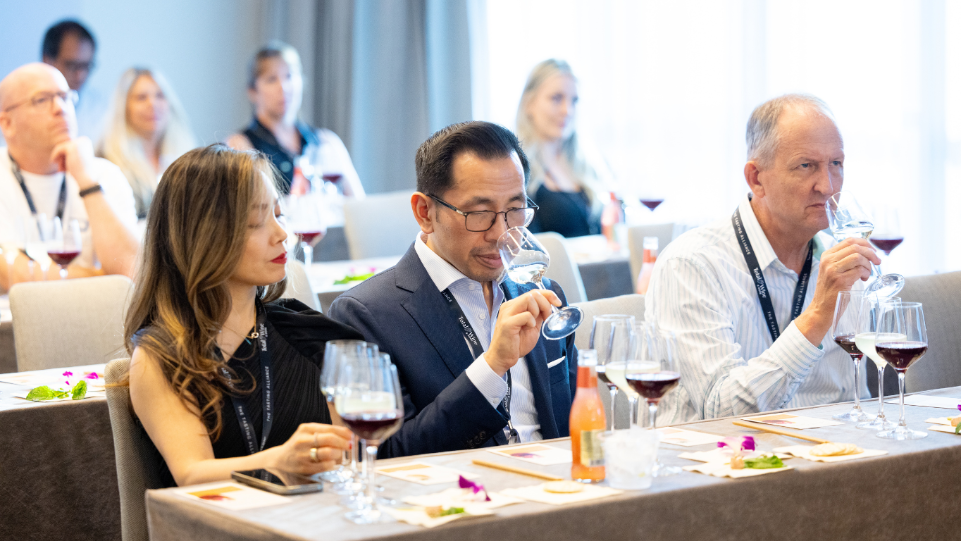
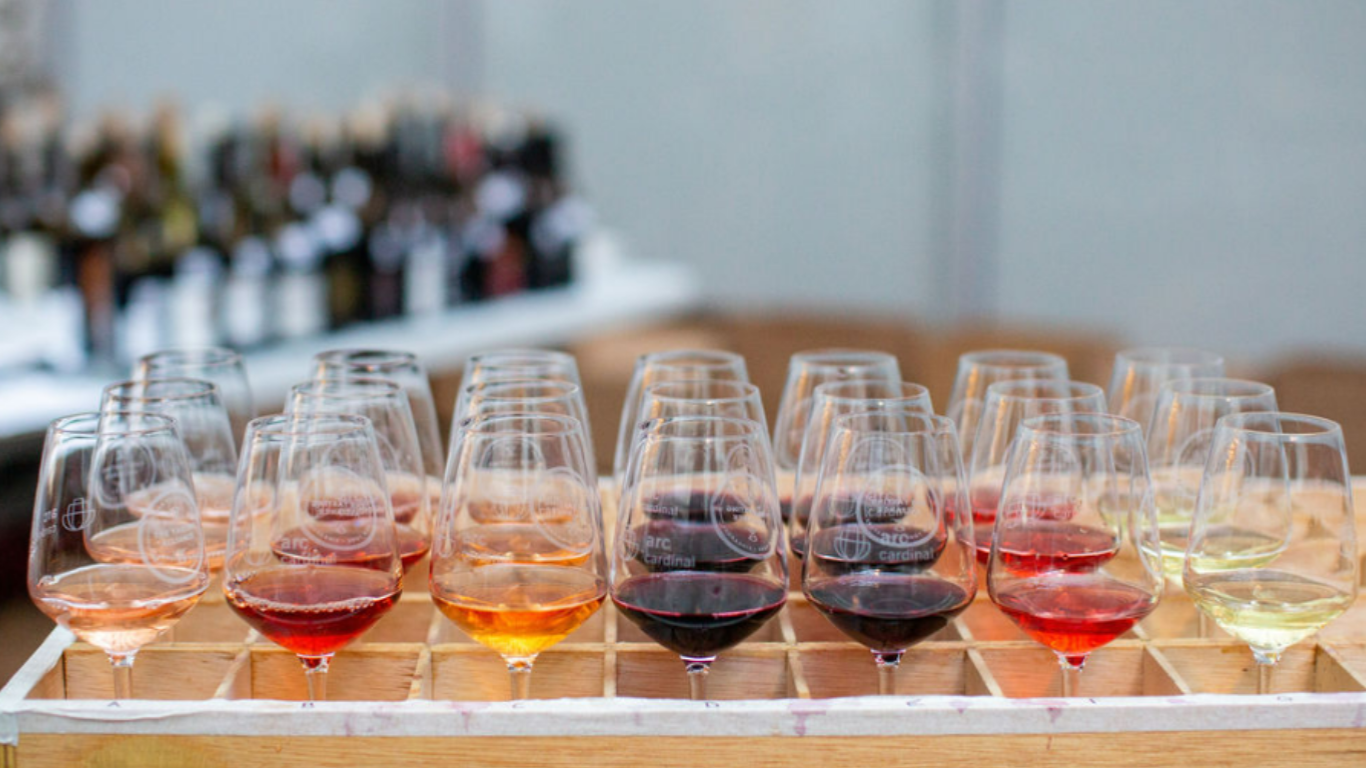
Professional tasters train their palates like athletes train muscles. Try tasting wines in structured flights—same grape, different regions—to identify patterns.
Practice “Triangulation”
A common judging exercise involves three wines: two identical, one different. Your goal? Spot the odd one out. This sharpens sensitivity to subtle distinctions.
Build a Sensory Vocabulary
Your brain needs labels for flavors before you can identify them quickly. Practice by:
Smelling fresh herbs, spices, fruits, and flowers
Comparing freshly roasted coffee vs. lightly roasted
Noting the differences between baking vanilla and fresh vanilla bean
Taste Mindfully
Slow down and note:
Appearance (clarity, color intensity)
Aroma (intensity, type of scents)
Taste and texture (sweetness, acidity, tannin, alcohol, body)
Finish (length and quality)
Professional judges rely on this systematic approach to ensure fairness and consistency.
Why Competitions Matter
As we prepare for the 2025 San Francisco International Wine Competition, it’s worth noting why competitions are powerful learning environments.
Blind tasting minimizes bias, forcing tasters to trust their senses.
Dialogue among judges reveals how experts think and evaluate quality of wines on the market.
Benchmarking against world-class wines recalibrates your standards.
Our upcoming competition brings together renowned judges, global producers, and best-in-class wines. It’s a celebration of excellence, but also an invitation to deepen your appreciation for wine.
Whether you're:
a winery preparing entries,
a trade professional enhancing your palate, or
a passionate consumer who loves discovering new wines,
this year’s competition is your chance to connect with the science, craft, and joy of wine tasting.
Wine tasting isn’t about having a “perfect palate”—it’s about curiosity, awareness, and practice. The more you understand how your senses work, the more rewarding every glass becomes.